Kenta Nomura
Production Line Supervisor, Shiga Production Team 3
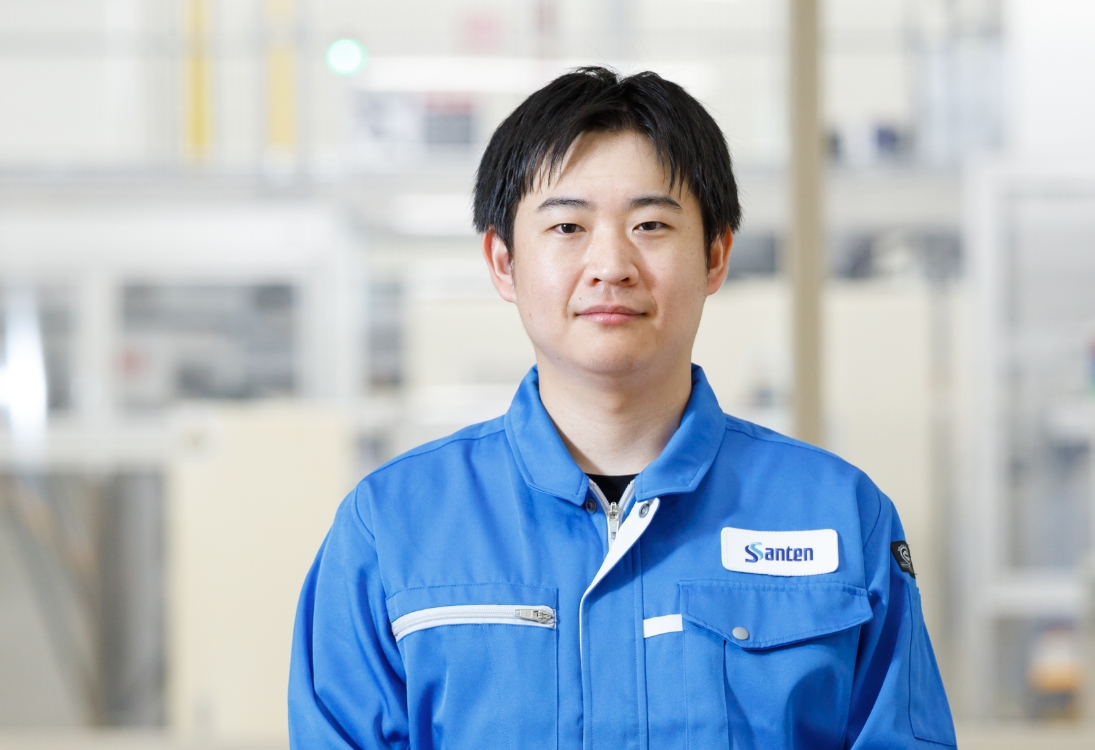
Delivering medicines to patients requires the manufacturing knowhow to turn research and development into high-quality products. Santen operates three production sites in Japan and overseas, and countless employees support manufacturing operations to ensure the stable supply of high-quality medicines to patients. For this feature, we spoke with Kenta Nomura, who works in the Production Department at the Shiga Product Supply Center (Shiga PSC). Now in his seventh year with the company, Kenta has been entrusted with the role of production line supervisor and is also involved in launching and implementing a new production line. He talks about the challenges he has faced along the way and passion for his work.
Our Mission: Stable Delivery of Quality Products to Patients
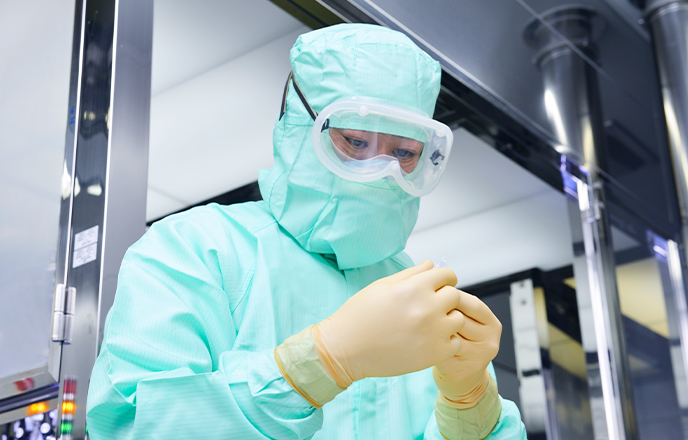
Santen’s research and development (R&D) teams work tirelessly to develop and design medications, and it is up to the Production Department to turn those medications into finished products that patients can actually use. No matter how promising a medication may be, if we cannot transform it into a finished product, then it cannot be delivered to patients. However, even if we succeed in manufacturing the product, the effort is meaningless if the product’s safety or efficacy are compromised. For this reason, our focus is on “quality first.” To ensure that the same quality is consistently achieved regardless of who performs the work, specific procedures are established for each individual process and all members are required to strictly adhere to them.
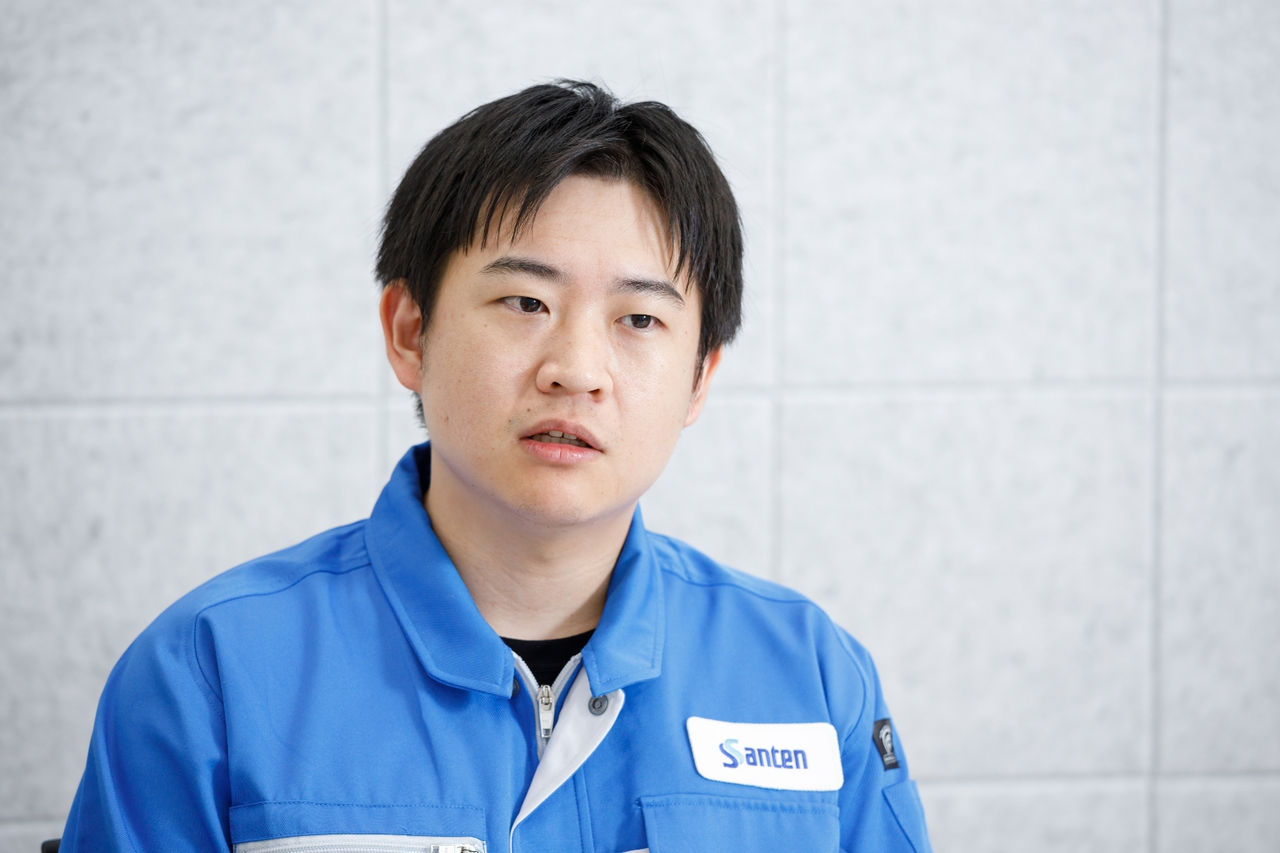
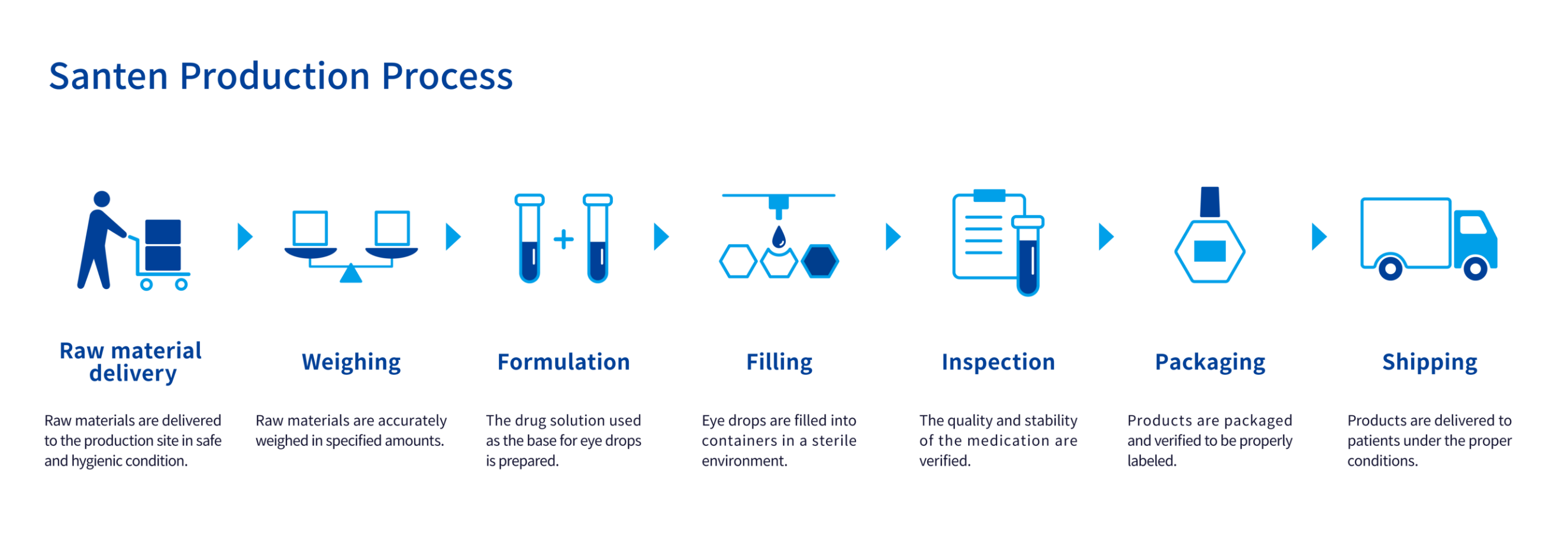
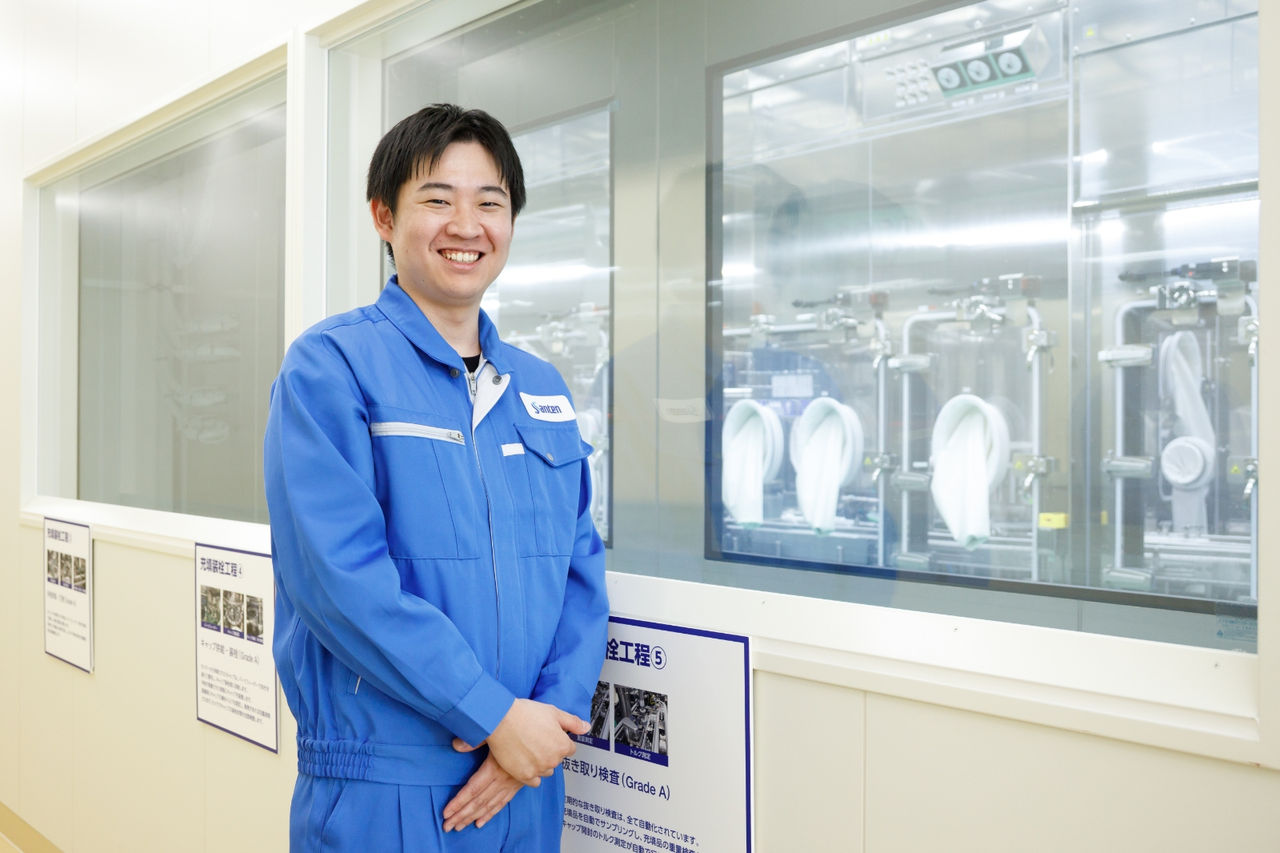
During production, employees with specialized expertise handle various processes, from weighing raw materials to formulation, filling, inspection, packaging, and shipping. Since joining the company in 2017, I have primarily been involved in formulation, filling, and inspection. For the first five years, I gained experience in each of these processes on the three-piece container*1 production line. Since then, I have been production line supervisor for the newly established SUD line*2 in the Shiga PSC’s new Third Building*3.
- Three-piece container: A product assembled from three components—a bottle, a cap, and an inner stopper
- SUD (single unit dose) line: A production line for manufacturing single-use products
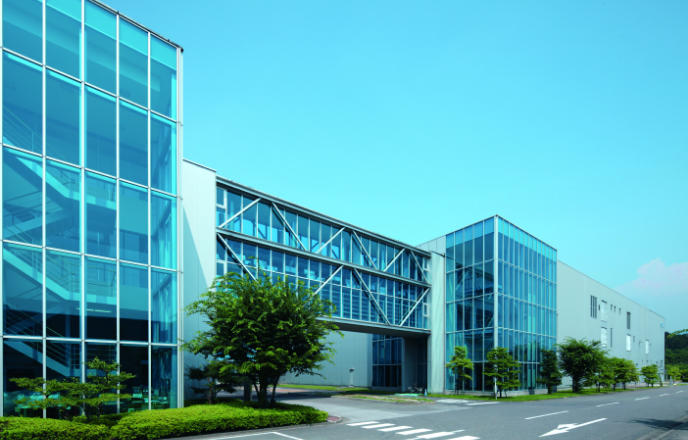
- In 2022, construction was completed on Third Building at the Shiga PSC with the aim of improving productivity. After helping to get the new SUD line in the Third Building up and running, Kenta was appointed line supervisor in 2024.
Contributing to Operations and Supporting Stable Production
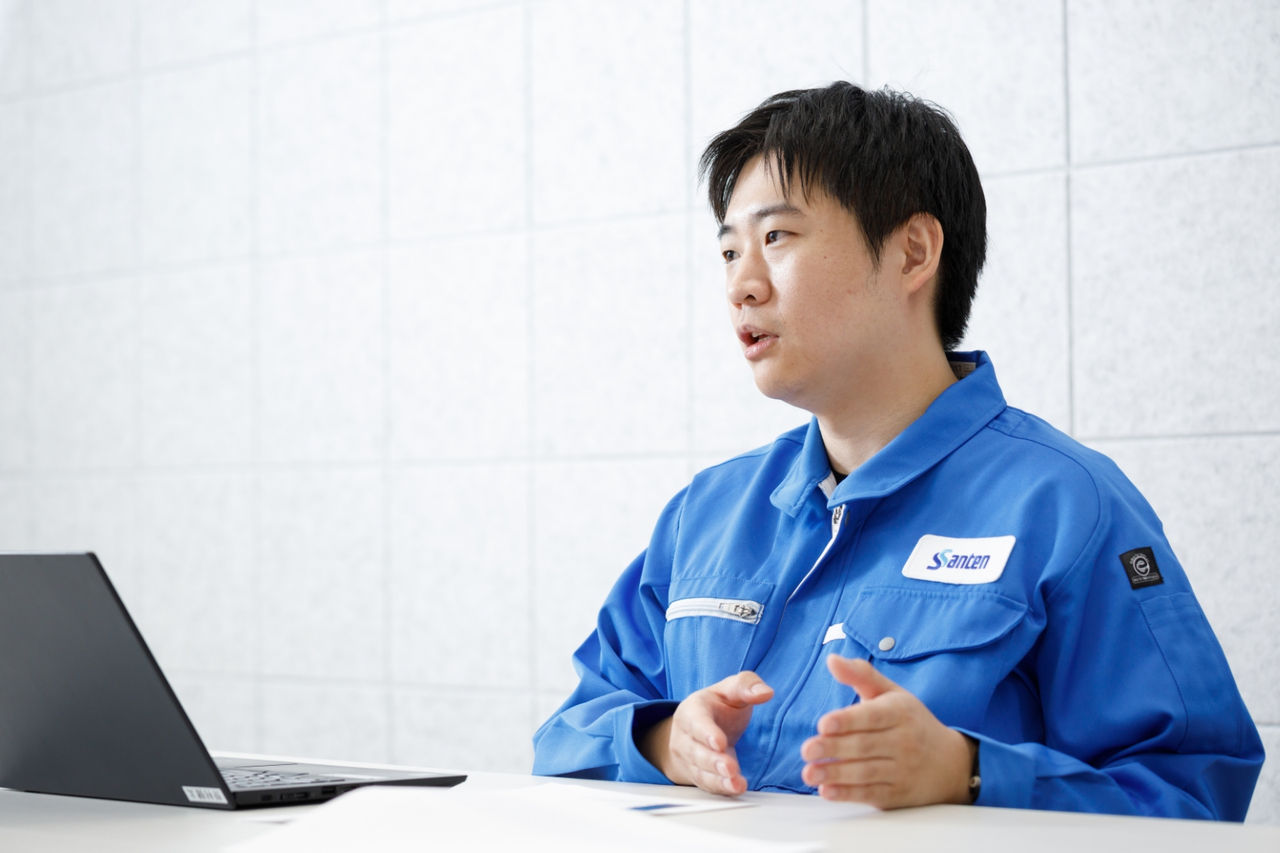
The role of a production line supervisor is to ensure that the line for which they are responsible operates smoothly and consistently. That means making sure that the detailed processes and work procedures are being followed. It also means that when issues arise or areas for improvement are identified, the production line supervisor is responsible for taking corrective measures and incorporating the necessary changes into the manufacturing procedures.
For example, any deviation from established procedures, standards, or conditions—such as the failure to collect data due to malfunctioning measuring equipment—is referred to as a “anomaly.” Every anomaly, regardless of its severity, has the potential to impact quality during the pharmaceutical manufacturing process. Therefore, when an anomaly occurs, I investigate the cause and, through discussions with the relevant departments, determine its impact on quality and whether procedural changes are required. I then work closely with team members to take the necessary action, such as revising procedures and creating manuals.
When I was first appointed production line supervisor, I felt both joy and immense pressure. Although I experienced some anxiety—“Can I really handle this?”—I decided to take on the challenge, viewing it as an opportunity for growth. Even now, I constantly ask myself how I should behave when leading a team that includes members who are more experienced than I am.
On the other hand, there is also a great sense of fulfillment unique to this job. When an equipment adjustment leads to improved productivity or enhanced inspection performance, or when I’m able to develop procedures that allow the team to work more safely and efficiently, I get a real sense of accomplishment knowing that my ideas have made a difference on the shop floor.
However, in pharmaceutical manufacturing, making indiscriminate changes is never a good idea because frequent changes can lead to confusion on the shop floor. For this reason, whenever a change is being considered, our first step—before we do anything else—is to consult with the relevant departments so that we have a variety of perspectives. We make it a point to carefully explain the rationale behind the changes and their expected effects, ensuring that everyone involved is on board before we proceed.
The large number of stakeholders involved certainly presents its own challenges. But when improvements are made on the front lines and elicit feedback like “The process has improved” or “It’s easier to work now,” I feel a great sense of accomplishment. That’s the driving force that keeps me doing this job.
Growth Comes from Taking on Difficult Challenges without Clear Solutions
The most memorable experience I’ve had in my career to date was participating in the Third Building launch project during my fifth year at the company, where I faced challenges for which there were no clear-cut answers.
We had been operating in an environment where consistent quality and safety were guaranteed if we followed established procedures, but the launch of the new building was entirely different. Take a single inspection machine, for example: although quality standards and specifications were already in place, we had to configure the equipment and verify that it could make decisions in accordance with those standards. One by one, we fine-tuned the conditions through trial and error to determine the optimal settings. We drew on the procedures used on existing lines and the SUD line at the Noto Plant, pooled our collective wisdom, and built the line from scratch.
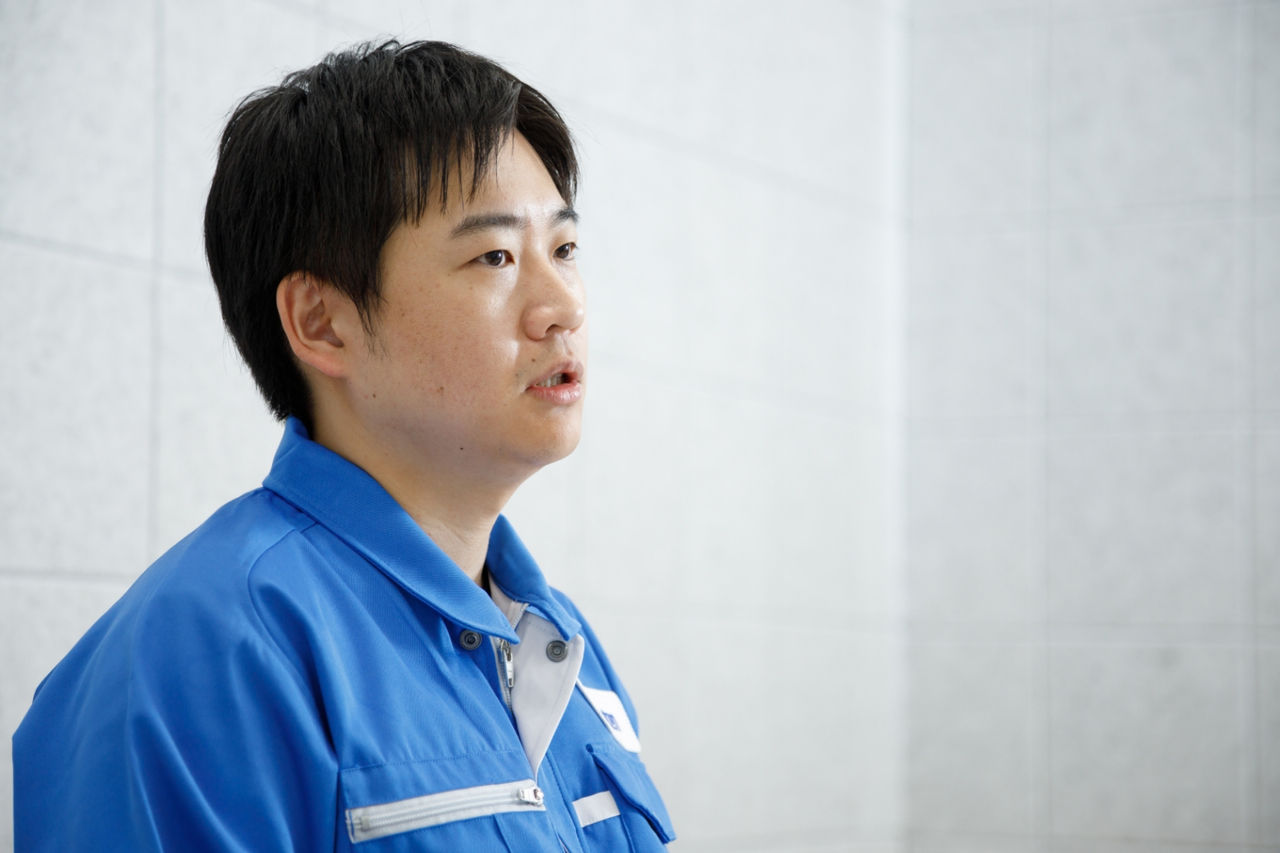
One particularly challenging aspect of the process was having round after round of discussions with a variety of departments to find a solution that everyone could agree on. For the production team, ensuring quality is a top priority, but so is maintaining stable operation of our equipment. Meanwhile, the quality assurance and facilities teams view things from their own distinct perspectives and roles. As a result, the optimal approach for one department is not necessarily the easiest one to implement on the production floor.
So we carefully explained the realities on the ground—“From a manufacturing standpoint, this is the extent of what we can do” or “This method would be difficult to implement on the shop floor”—while also offering alternatives, and worked together to find a solution that satisfied everyone.
To engage in constructive discussions with other departments, we first needed to clearly determine the production team’s position. I shared my ideas with senior team members about what I thought the production team should communicate and they provided feedback. When my ideas aligned with theirs, I got a boost in confidence; and when they didn’t, I still learned something new. I made a point of saying what I thought, rather than making a vague request for guidance. I believe this project was a major turning point that allowed me to develop the ability to accomplish tasks through collaboration with others.
Eyes on the Next Challenge in an Environment that Supports Growth
The Shiga PSC provides opportunities for employees to participate in projects and professional development activities. Training and mentoring programs are available to support employee development. Training programs include both hands-on activities and certification timetables, while mentoring focuses on broader career planning goals and timelines.
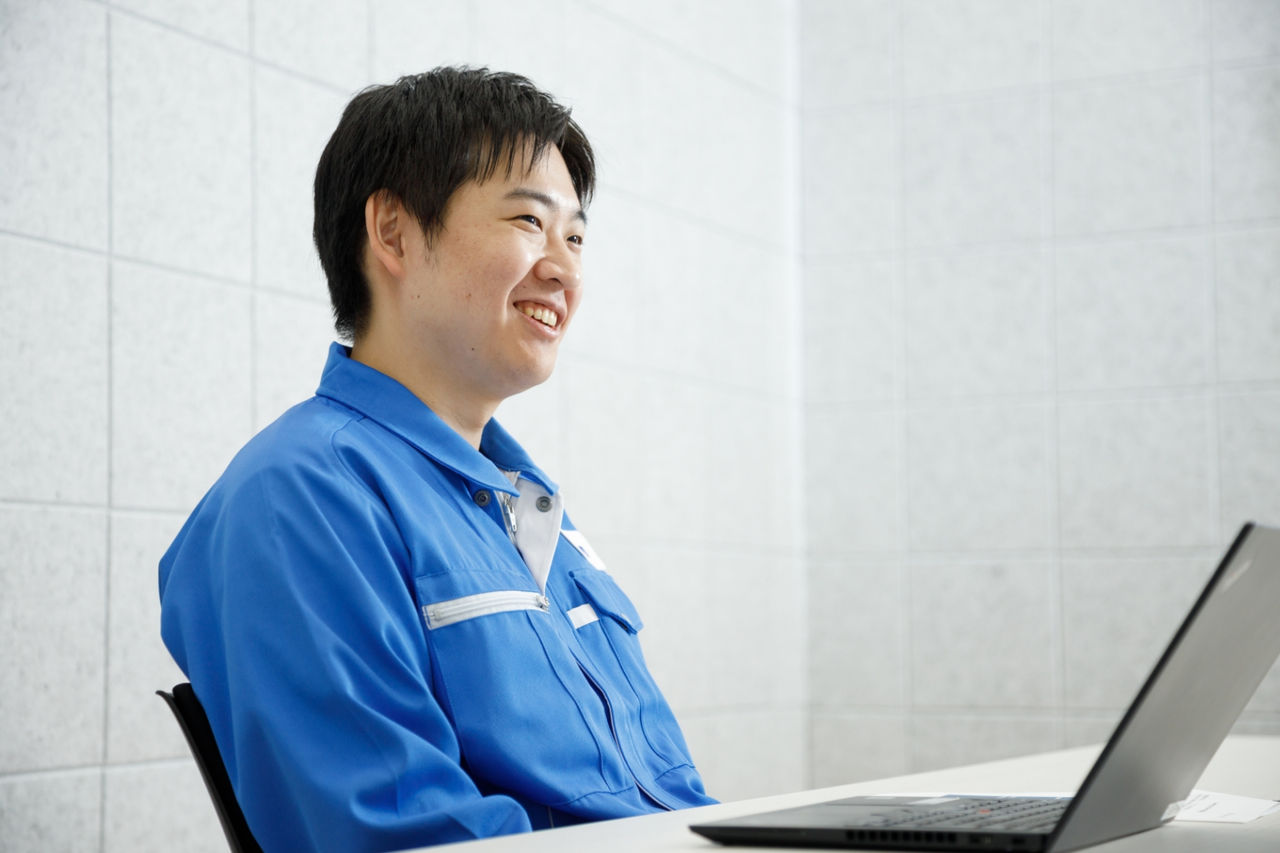
I'm currently involved in a project to install a new production line in the Third Building. While I joined the previous launch midway through the process, this time I'm involved from the very beginning—starting with the selection of equipment manufacturers and the review of equipment specifications. Because I actually use the equipment on the production floor, I'm in a position to provide feedback about “what makes machinery user-friendly for the team,” and take on the challenge of creating production infrastructure that can be brought online smoothly. I appreciate the opportunity to contribute to the development of a new production line from the beginning of the project.
My journey as a production line supervisor has only just begun. My current goal is to become someone whom others trust; the kind of person they can turn to with confidence, knowing that “if you ask Mr. Nomura, things will get sorted out.” I intend to build my knowledge and experience, driven by a spirit of curiosity, so that I can continue to deliver products that patients can use with confidence.
Supervisor’s Message
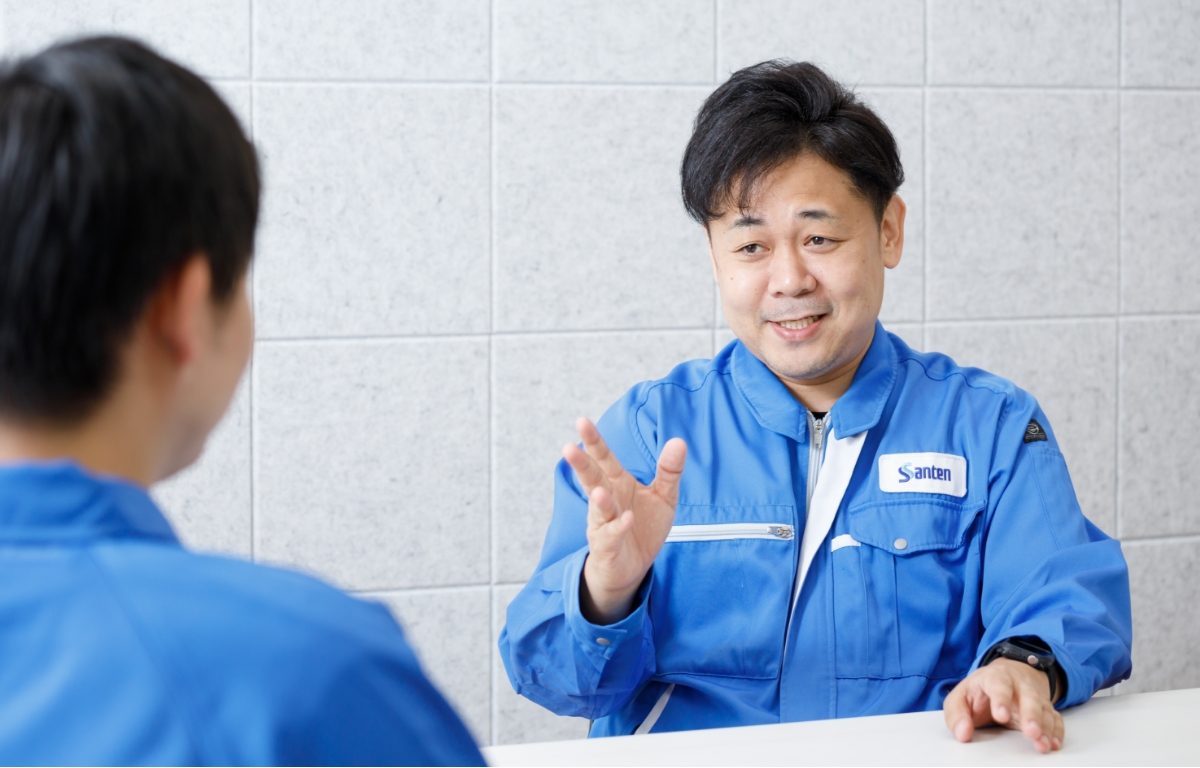
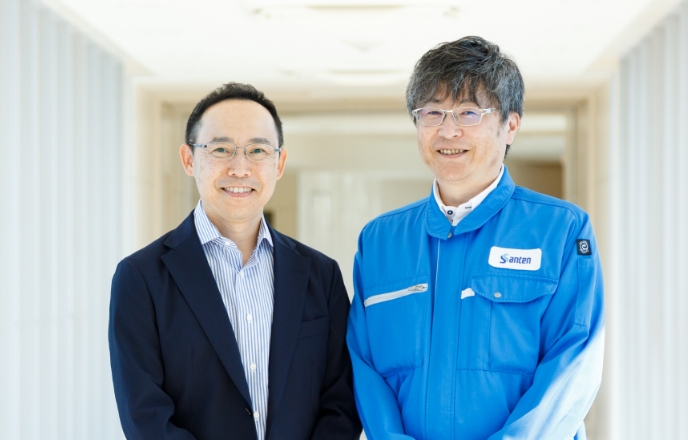
Yoshinobu Ishida
Team Manager, Shiga Production Team 3
Kenta demonstrates the ability to evaluate issues from multiple perspectives and communicate his views clearly. He consistently applies company principles in his day-to-day work.
He has taken on leadership responsibilities early in his career and regularly collaborates with and supports other team members. I look forward to seeing him continue to leverage that attitude as a strength while playing an active role supporting the production team.
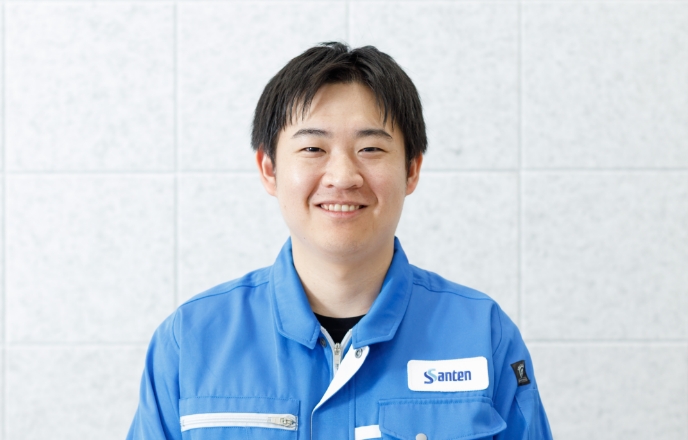
Joined Santen in 2017. After working as an operator on the formulation, filling, and inspection processes for the three-piece container production line, he participated in the Shiga Third Building startup project from 2022 to 2023, where he was responsible for commissioning the SUD filling and inspection lines. He has been production line supervisor for the SUD production line since 2024. In 2026, he joined the project to launch a new production line at Shiga Third Building. His hobbies include video games and listening to music.
*Profile information is current as of the date of publication
Disclaimer: This article is intended for informational purposes only and reflects personal experiences in product manufacturing. It does not promote any specific product or treatment.