What Is Retinitis Pigmentosa?
Retinitis pigmentosa is a progressive hereditary disease characterized by abnormalities in the retina, the light-sensitive tissue inside the eye. A rare disease, it affects approximately 1 in 4,500 people worldwide*¹.
Although disease progression and symptoms vary from person to person, typical symptoms include night blindness, decreased visual field, and decreased visual acuity; the condition may ultimately lead to blindness*². More than 1.5 million people worldwide are estimated to be living with retinitis pigmentosa*³.

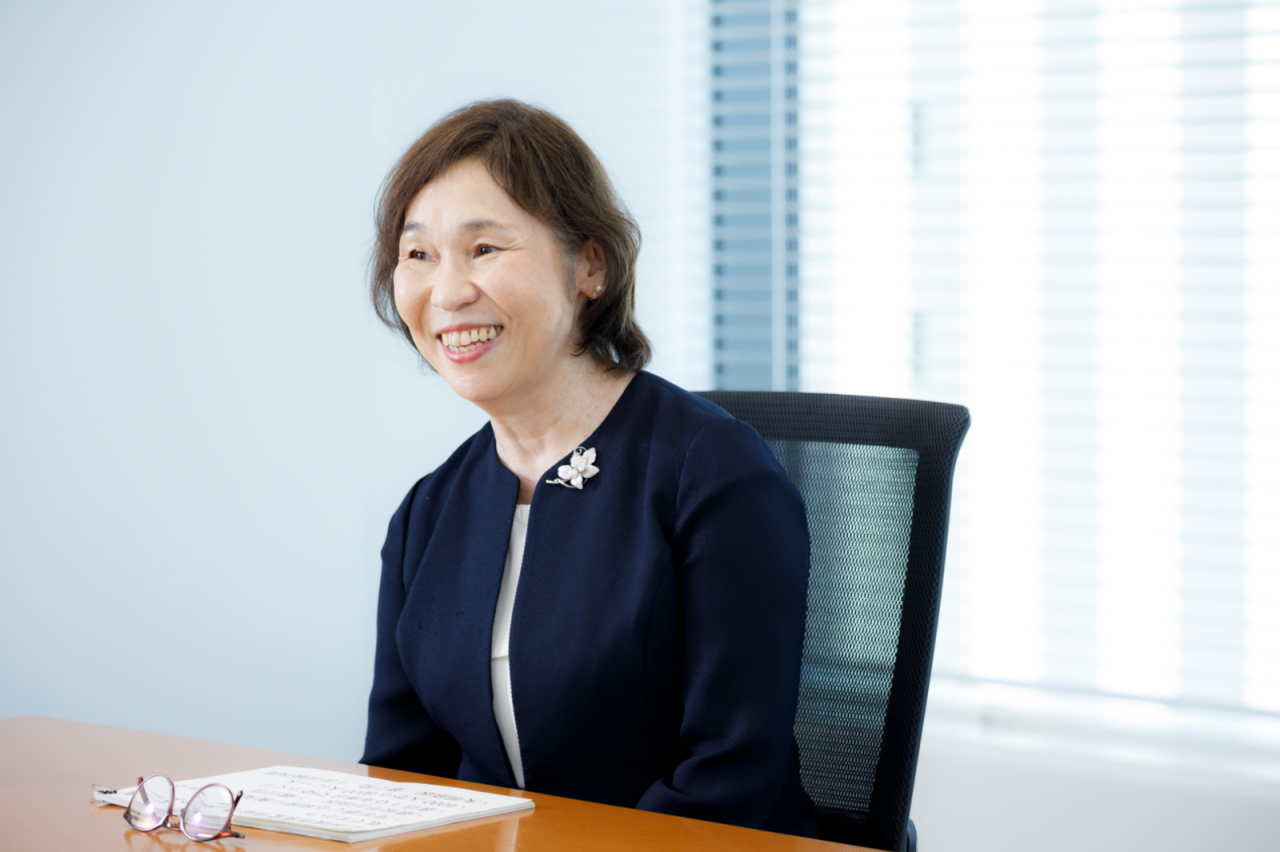
Retinitis pigmentosa is a progressive eye disease in which abnormalities in the retina cause the field of vision to gradually narrow, potentially leading to blindness. Noriko Osuga, who has the condition herself, is a board member of the Japan Retinitis Pigmentosa Society (JRPS). As a telephone counselor for the society, she spends her day lending an empathetic ear to other patients.
Noriko was diagnosed with retinitis pigmentosa when she was 23. While struggling under the crushing weight of anxiety about her future, her greatest sources of support were meeting others with the same condition and the realization that “my experience could help someone else.” In this interview, we spoke with Noriko about her feelings at the time of her diagnosis, the process through which she gradually began to adopt a positive outlook, and her efforts to support other patients with the condition.
*1 Reference: Sharon et al., Comparison of Worldwide Disease Prevalence and Genetic Prevalence of Inherited Retinal Diseases and Variant Interpretation Considerations (2024)
*2 Individual experiences with retinitis pigmentosa vary, including symptoms, disease progression, and personal coping strategies.
*3 Reference: Retinitis Pigmentosa: Burden of Disease and Current Unmet Needs. Ophthalmology and Therapy (2022)
Decreased Visual Field Discovered During Eye Exam
—Please tell us about your symptoms.
My visual field is approximately 10° or less*4, and my visual acuity has declined to between 0.09 and 0.08 over the past six months or so. Due to the narrowing of my visual field, my peripheral vision has gradually deteriorated and my central vision—with which I could still see relatively well until recently—is now being affected.
*4 A normal visual field (for one eye) is horizontally elongated and elliptical in shape; relative to the fixation point (the single point one stares at when looking straight ahead), it is said to extend approximately 60° upward, 70–75° downward, 60° toward the nose, and 100–110° toward the ear. (Reference: Japanese Ophthalmological Society, Glaucoma Management Guidelines, 5th Edition)
—How does this impact your daily life?
I have trouble seeing directional signs and markers at train stations and around town, so unless I’m in a familiar area, I need someone to guide me when I go out. I ask family members or station staff for help as needed.
I also struggle to read text, and can’t make it out unless I magnify it quite a bit. But because my field of vision is so narrow, if I zoom in too much, it becomes hard to read, and with long passages I sometimes lose my place and end up reading the wrong line.
—Do you recall having any symptoms before you were diagnosed?
Ever since I was little, I’ve had a hard time with dark places. After I began working as a junior high school teacher, I would often kick the trash can in the teachers’ lounge, and I increasingly felt as though people or bicycles were suddenly darting right in front of me. Even then, I just shrugged it off as me probably being a bit clumsy.
I realized my field of vision was narrowing when I started seeing black spots flickering in front of my eyes, which prompted me to get an eye exam. Following the exam, the nurse rolled a piece of paper into a tube and held it up like a telescope, saying, “This is pretty much all you can see.” The test results confirmed a diagnosis of narrowed visual field caused by retinitis pigmentosa. When people hear “narrowed visual field,” they often imagine that the outer edges of their vision appear black or white, but in reality, there is no distinct border—to the person experiencing it, the world they see is everything. So at first, her statement didn’t register; I thought, “No, I can see everything.”
Noriko recalls a childhood incident involving a dare. While her friends all suddenly took off running,
she was too frightened to move because she could not distinguish the path from the nearby river.
She looks back on that moment as the first time she realized, “Oh, the other children can see things that I can't.”
Facing Reality: “There’s No Cure”
—How did you feel when you received the diagnosis?
The doctor told me, “There’s no cure for this, so there’s nothing more we can do. You don’t need to come back for follow-up visits.*5” I had always thought that hospitals were places that cured people, so I felt like I’d been cast aside without receiving any help at all.
Driven by a desperate desire to learn more about the disease, I searched for specialized books in the medical section of a large bookstore. On the pages describing retinitis pigmentosa, three phrases stood out: “There is no cure,” “It leads to blindness,” and “It’s hereditary.” Reading those words, I was confronted with cold, hard reality. They shocked me even more than what the doctor had told me. When and how would I lose my sight? Would my children and grandchildren inherit the condition? … Back then, there was no internet, and the information available was limited. I was overwhelmed with anxiety and found it difficult to see any hope for the future.
*5 This article presents personal experience and is not intended as medical advice. Treatment decisions should be made in consultation with a healthcare professional.
—Did it have an impact on your work?
I continued working as a teacher for a while, but after taking a wrong turn while riding my moped home one day—and finding it difficult to see the center line in the rain—I decided to resign when I was 34. For the next year, I worked as a substitute teacher at a high school, and then spent six years as an educational counselor at a junior high school, where I worked in a special learning support classroom for students with school non-attendance issues. I believe my experience as an educational counselor laid the foundation for my current work as a telephone counselor.
Turning Point Was Realizing I Was Not Alone
—What was the turning point that helped you regain hope?
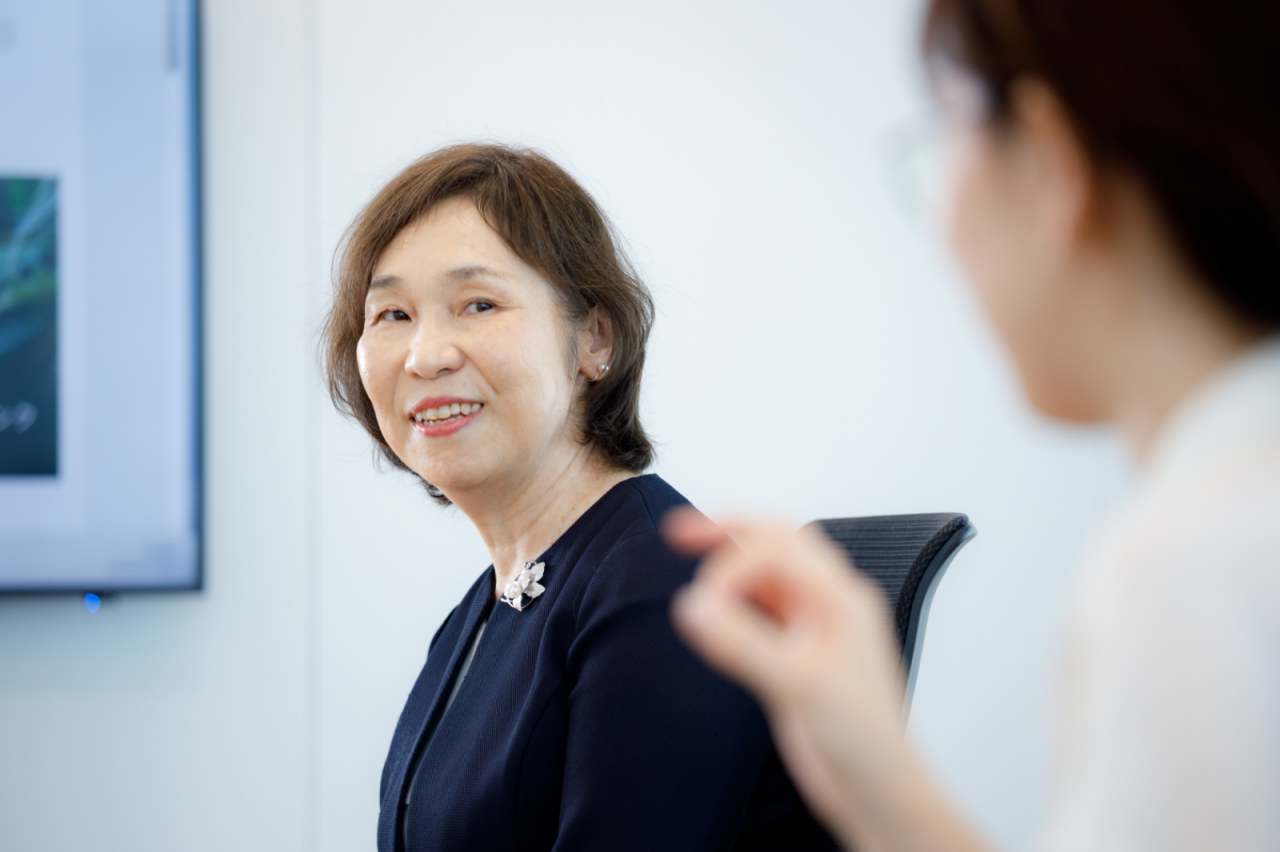
Meeting others with the same condition and people with visual impairments made me realize, “I’m not alone” and “I don’t have to give up yet.” There are people who understand my condition. There are friends who can laugh off my failures and, together, help me overcome any challenge. That was a truly huge source of support for me. I spoke at length with people who had been living with the same condition longer than I had, and they shared their experiences with me. Their kindness made me think, “I want to be that kind of patient, too.”
—The experience of direct support relates to what you’re doing today, doesn’t it?
Some time ago, I gave a talk at a hospital for patients and their families. When I spoke about how I cope with my own illness, they responded saying, “Listening to you put my mind at ease” and “You gave me courage.”
I had always thought that losing my eyesight meant I would be the one needing help from others; I never imagined that I could be the one offering help to someone else. It was then, for the first time, that I felt I had found my place in society as a person with a visual impairment, and I began to think positively about doing whatever I could for everyone.
—How did your family and those close to you support you?
My family’s support was, of course, a huge help. When I confided that “I might go blind in the future,” some people drifted away, but my husband told me, “Today you can see—isn’t that enough?” Since then, he’s made an effort to understand my condition, accompanies me to JRPS events, and actively interacts with people who have symptoms similar to mine.
The birth of my child was accompanied by a firm determination: “If this child inherits my symptoms, I don’t want them to look at me and feel hopeless.” I realized I couldn’t be down all the time, so I decided that our family would do our best to enjoy all kinds of things together.
This Disease Is Progressive, So Enjoy Today and Look Forward to Tomorrow
—Do you have a guiding principle or words to live by?
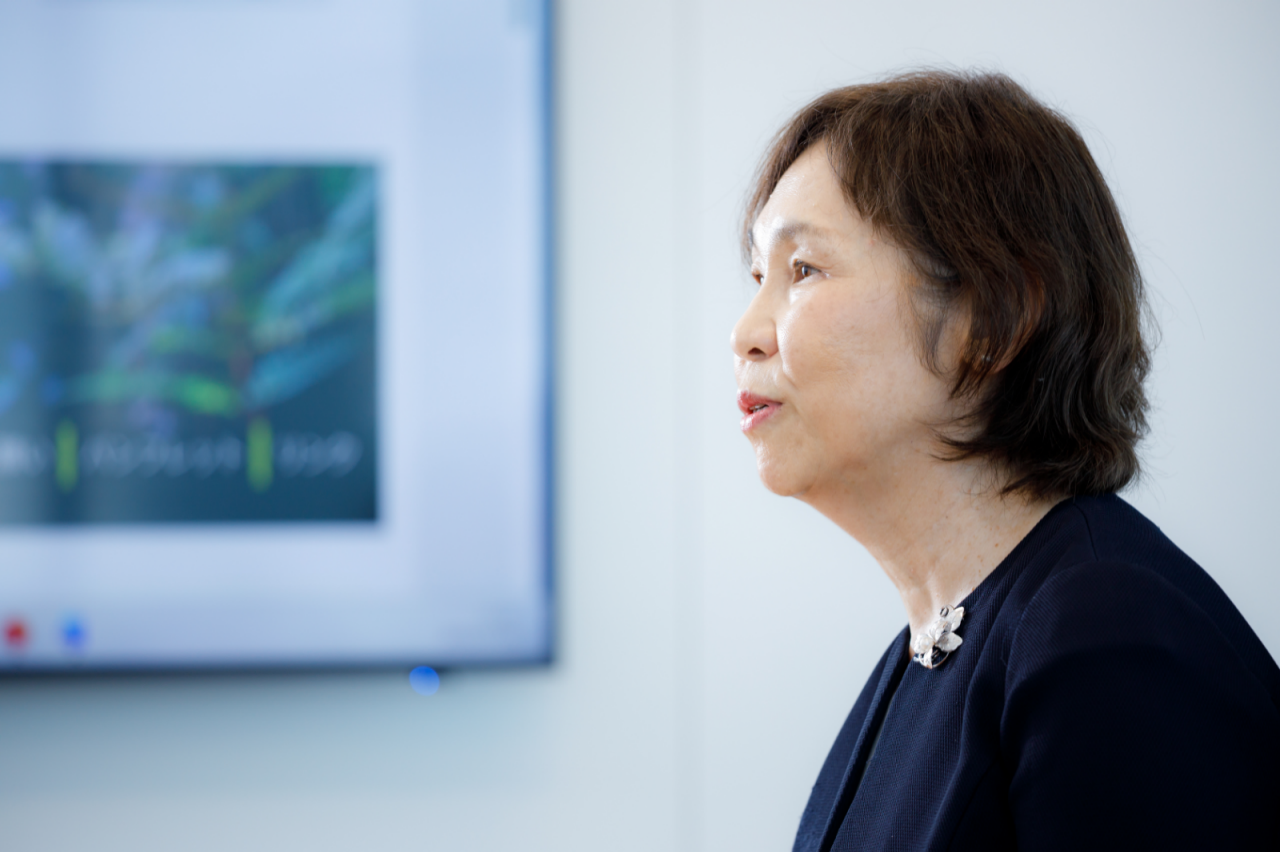
This disease is progressive—which means my condition will only get worse, it will never get better. Because the anxiety and pain that I feel won’t go away, I try to find things that make me look forward to tomorrow so that I can be my authentic self despite carrying that burden. I’ve always loved traveling, and the time I spend planning trips with my husband is a daily joy for me.
I’ve also recently been enjoying supporting my favorite idol. A friend I met on social media told me, “What a waste to be a fan club member and not go to concerts,” and “It doesn’t matter if you have poor eyesight,” and agreed to go to a concert with me. That experience inspired me to get more actively involved in supporting my idol. Now, I’ve even gotten my husband involved, and we’re both really into it. Actually, later today (the day of the interview), I’m planning to go see a play starring my favorite idol.
Working Together with Friends to Face the Illness as a Team
—Please tell us about the JRPS, where you are a board member.
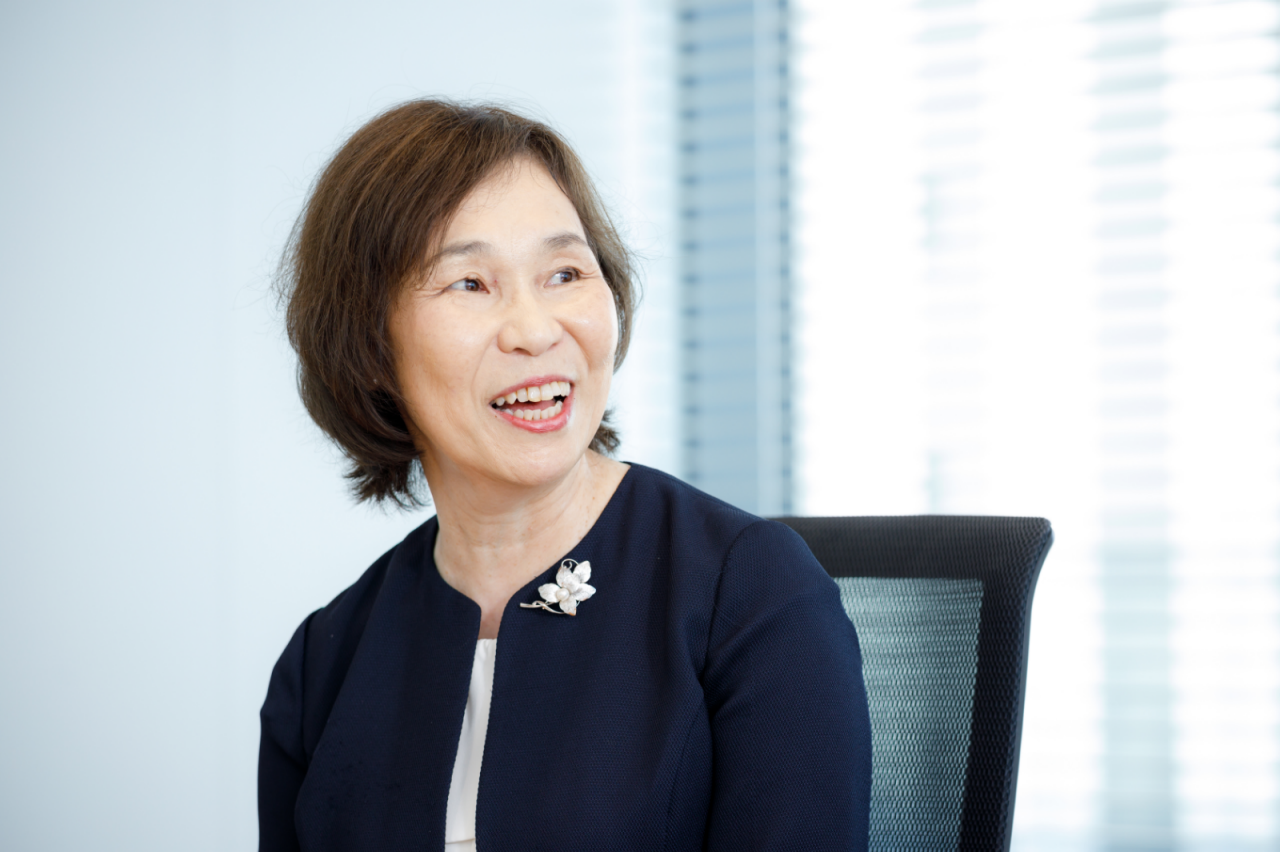
As a patient organization, JRPS not only promotes disease awareness, provides research grants, and offers telephone counseling, but also creates opportunities for patients to connect with each other in their local communities. The organization has subgroups based on symptoms and age where members can interact via chat and hold online meetings.
Because retinitis pigmentosa is a rare disease, many people find that there is no one nearby who understands their condition. Having the opportunity to talk with others who have the same condition and hear about their experiences is a great source of reassurance.
―You also provide telephone counseling. Is there anything in particular you bear in mind when you’re on a call?
Symptoms, the rate of progression, and visual experiences vary greatly from person to person. For this reason, I make an effort not to listen based solely on my own perspective; I try to be mindful of the other person's situation and mindset. While a counselor cannot change a person’s life or way of thinking, I hope that through our conversations, they are able to sort out their own feelings and gain new insights.
What I’ve come to realize through the phone counseling sessions is that everyone needs someone who will listen to—and understand—the anxieties and struggles they carry deep within their hearts. Through countless encounters of my own, I’ve come to realize that I’m not alone, which is why I’m so committed to JRPS. I’m driven by a desire to give back.
—When dealing with an illness, you realize how important the support of friends and family is.
I believe that facing this disease is a “team effort.” We’re fighting this battle together with many people—not just patients, but also researchers, supporters, companies, and others. I hope that by joining hands, we can one day make retinitis pigmentosa a treatable disease.
A Kinder World Emerges from Small Gestures of Kindness
—Do you have any expectations for healthcare professionals?
Even when you have accurate knowledge about the illness and treatment options, and have found ways to take your mind off things, there are times when you’re alone and feel as if you’re about to be crushed by an overwhelming sense of anxiety. I believe many patients struggle with this pain.
I think doctors could put patients at ease by explaining potential future symptoms and lifestyle changes, welfare programs (such as disability certificates and pensions), and resources they can turn to for advice.
—Is there anything you’d like our readers to know?
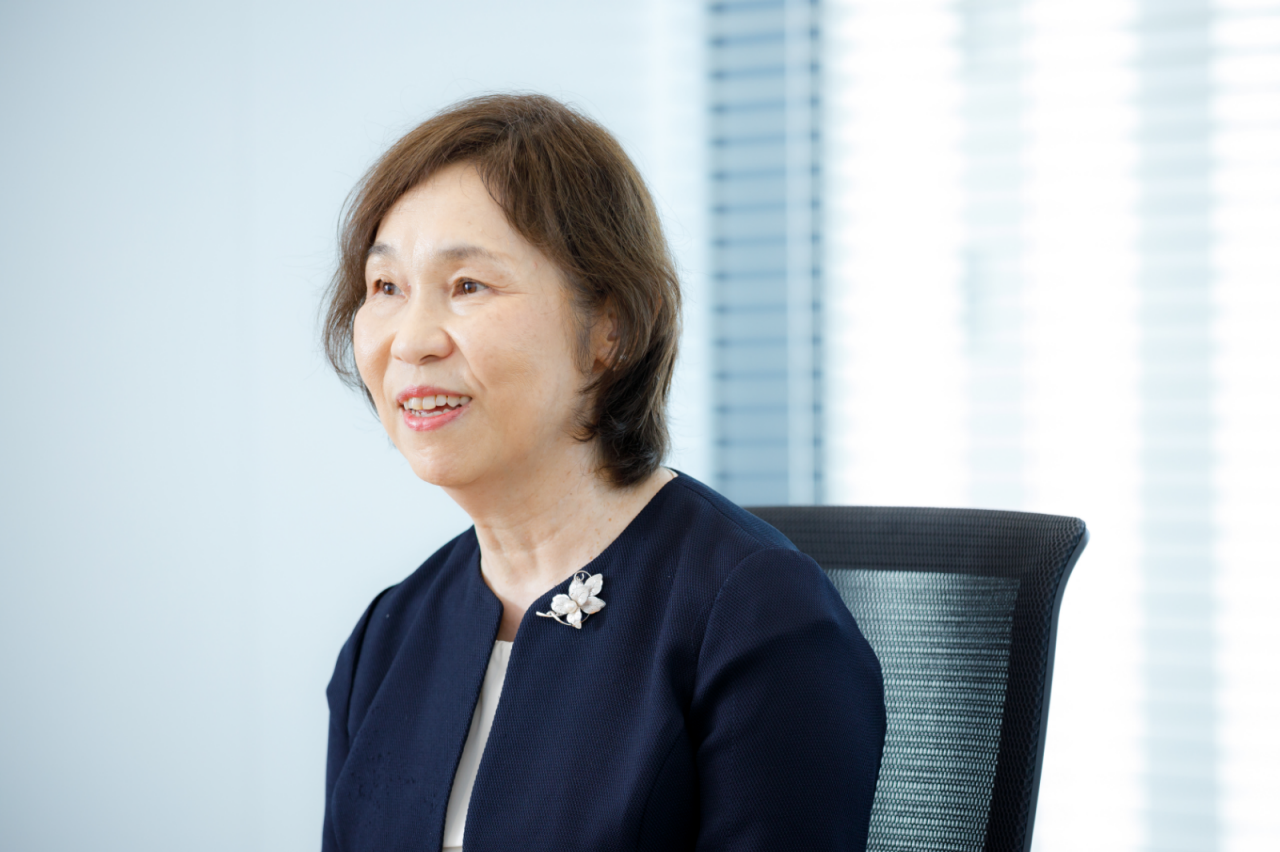
If you see someone with a white cane, I’d appreciate it if you could say something simple—like “The light has changed”—to let them know. If you’re not sure what to do, just ask, “How can I help?” and I can tell you, “Please let me lean on your shoulder” or “Please let me hold onto your arm.” By exchanging a few words through little interactions like these and getting to know one another, I think we can each gain new insights. I hope we can create a kinder world where everyone looks out for and helps one another.
And if you’re dealing with the same condition and feeling anxious, I want to let you know that you don’t have to go through this alone—there are others who share your feelings and places where you can go to talk.
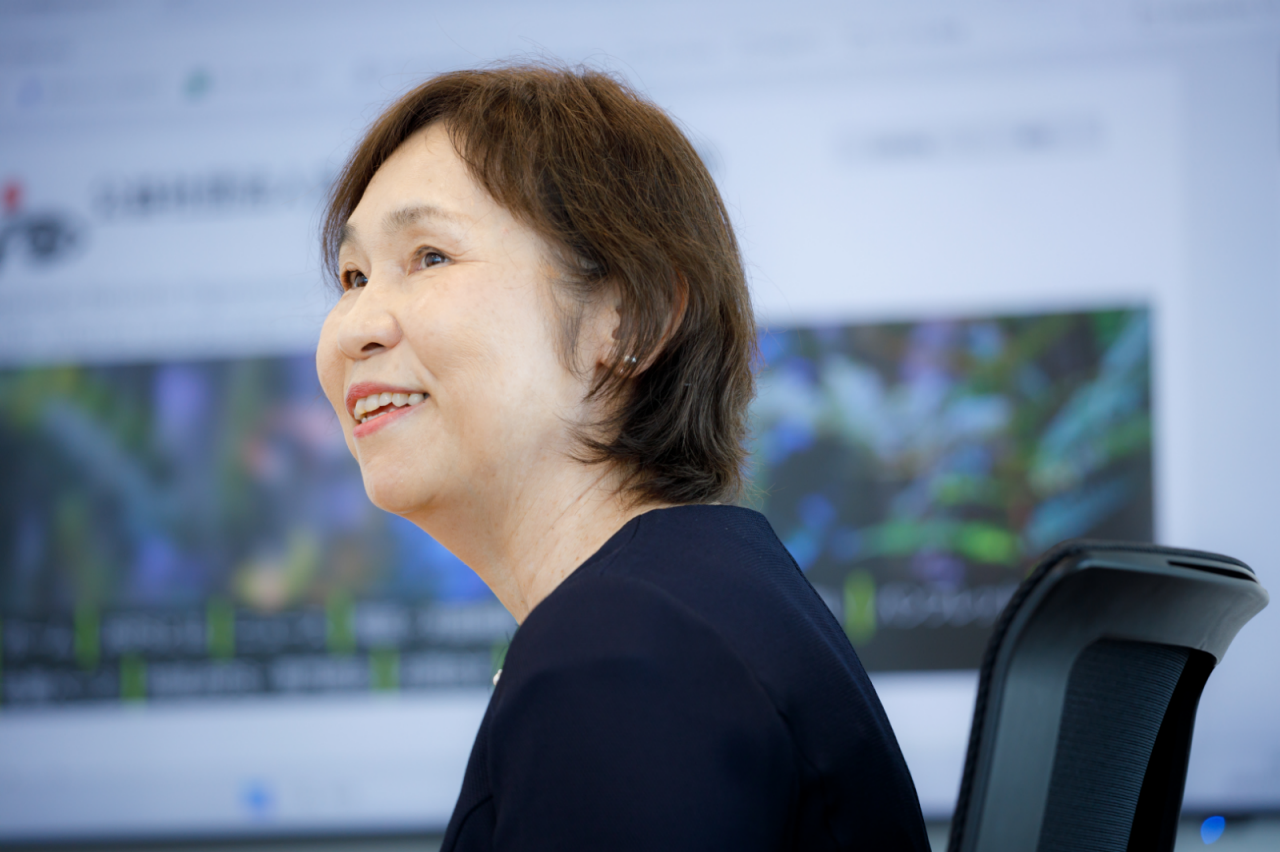
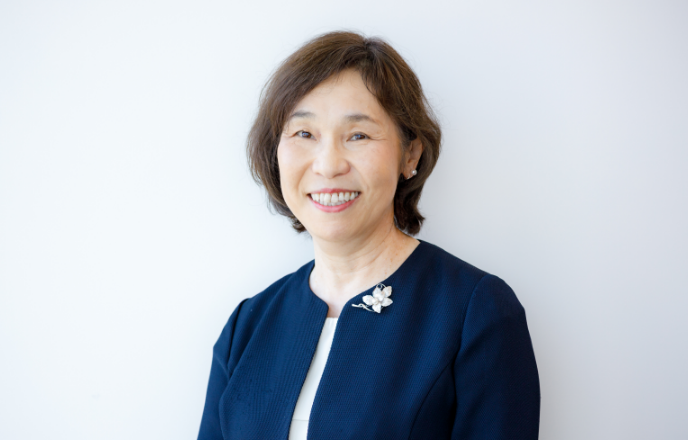
Noriko Osuga
Board member of the Japan Retinitis Pigmentosa Society (JRPS). She began working as a telephone counselor for the organization in 2019 and to date has handled more than 370 consultations. After teaching home economics at a junior high school, she worked as an educational counselor supporting students with school non-attendance issues. Her current hobbies include traveling and supporting her favorite idol.