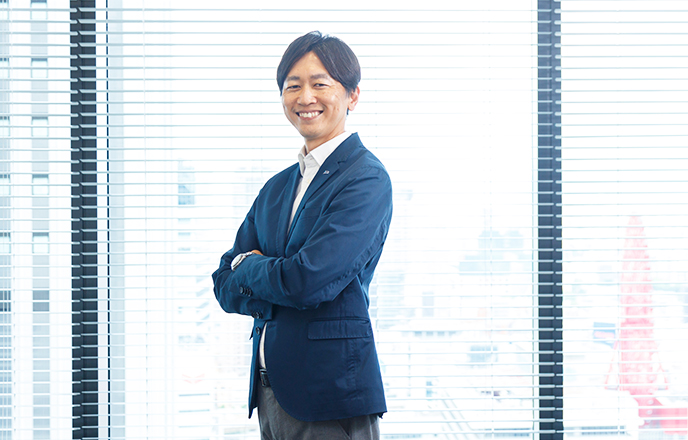
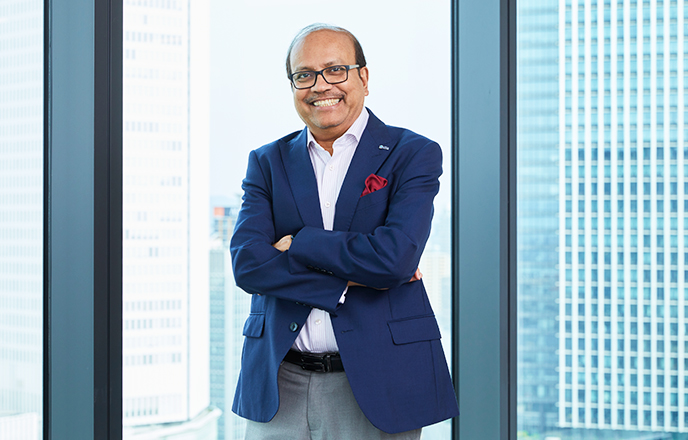
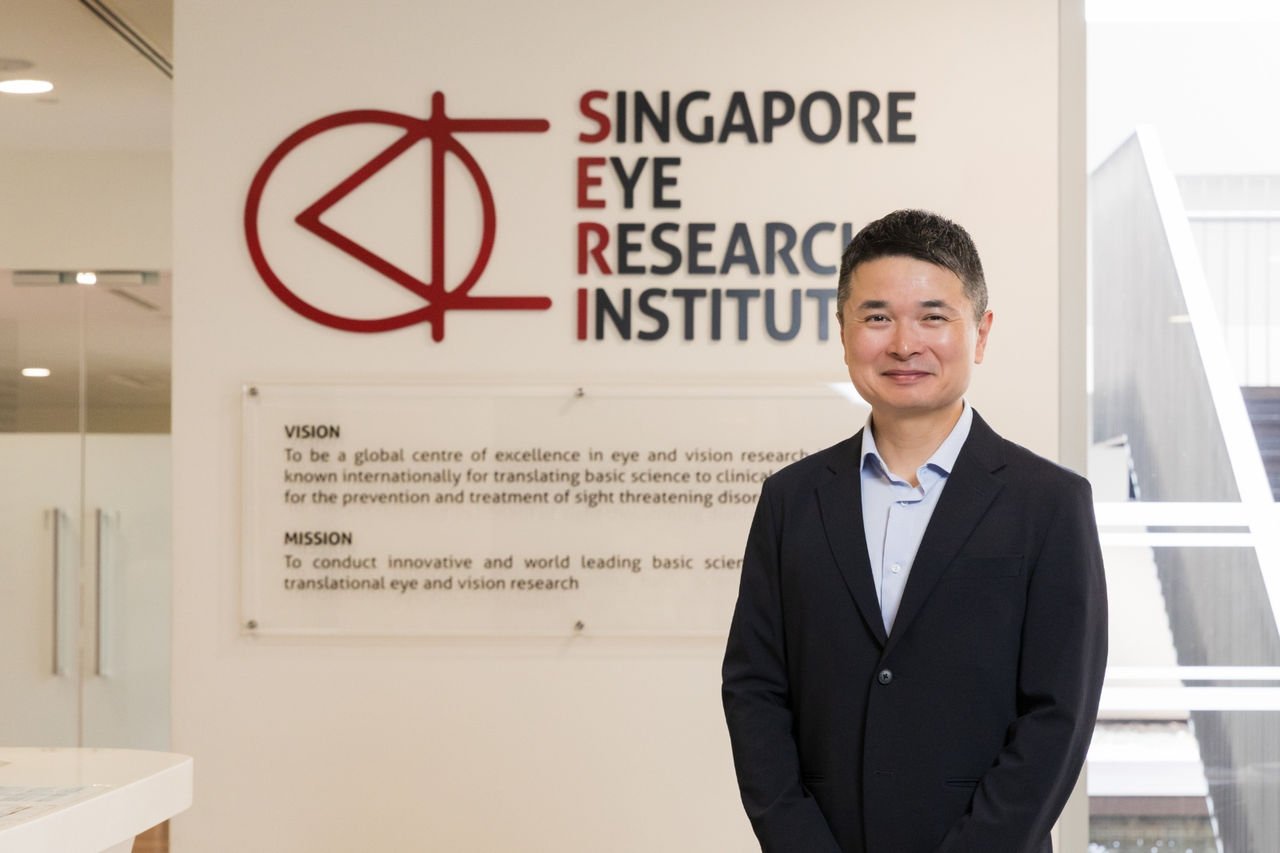
About the Singapore Eye Research Institute (SERI)
SERI is a research institute established in 1997 to focus on ophthalmology and vision research. Affiliated with the Singapore National Eye Centre (SNEC), its mission is to conduct high-impact eye research that prevents blindness, low vision and major eye diseases common to Singaporeans and Asians.
SERI’s leading researchers are also physicians affiliated with the SNEC. Backed by the Singaporean government, which considers the medical technology (MedTech) sector a key growth industry, and supported by a research environment where clinical and basic research can be conducted in parallel, SERI has grown into a hub for top researchers from around the world.
Researchers and ophthalmologists affiliated with SNEC and SERI regularly appear on lists such as the “World's Top 2% Scientists” and the “Asia-Pacific Eye 100.” Highly regarded internationally for the number of papers it publishes and the impact of its research, SERI is recognized as a leader in global ophthalmology research.
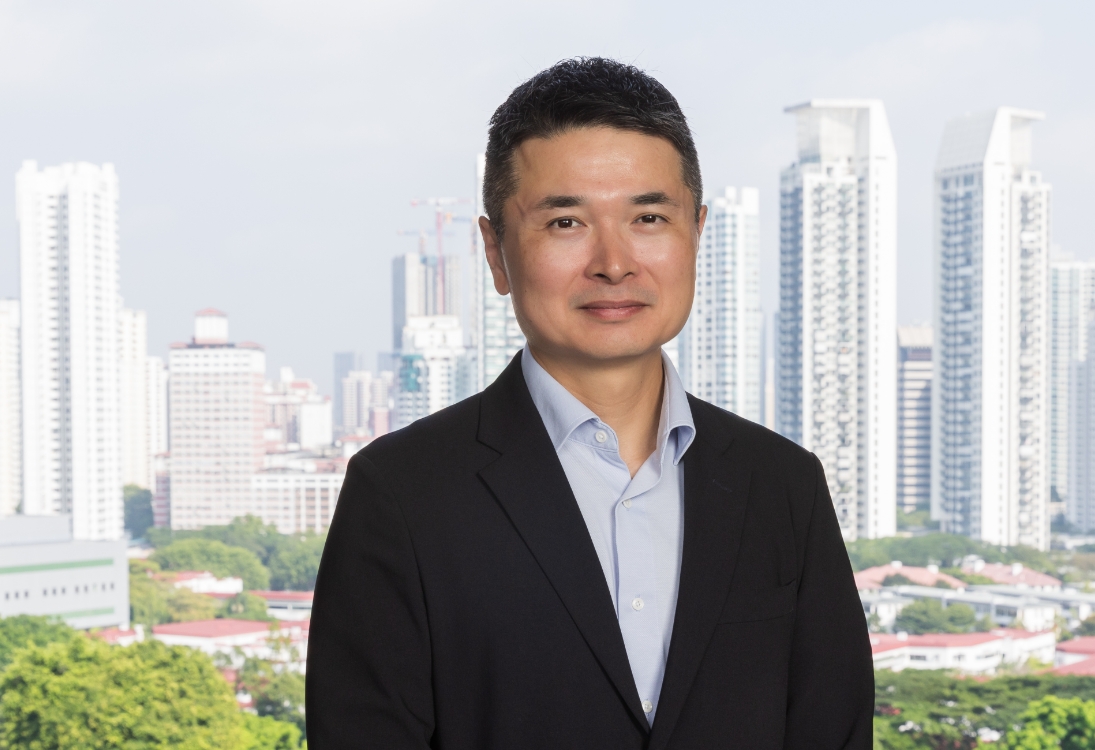
Santen seeks to create new treatment options and value by understanding the unmet needs of patients and the challenges faced by healthcare communities around the world. It does this by leveraging its specialization in ophthalmology and fostering open collaboration with external partners. One example of external collaboration is Santen’s strategic partnership with the Singapore Eye Research Institute (SERI).
Keiichi Shibagaki is Santen’s lead on the joint research program with SERI. We spoke to him to learn more about the significance of collaborating with a global research institution and what he finds rewarding as a researcher.
A Synthesis of Research and Product Development Know-How
―What is the history behind the joint research that Santen and SERI are conducting?
Santen and SERI entered into a comprehensive joint research agreement in 2014 for the purpose of contributing to ophthalmic care. At the time, SERI had been searching for a company with product development capabilities that would allow it to bring the results of its research on eye diseases—such as myopia, which is prevalent in Asia—to patients. It ultimately decided to collaborate with Santen as a strategic partner due to our track record of development in the field of ophthalmology.
Among the numerous research topics that SERI was pursuing, six of them seemed like good options given their potential to benefit patients while creating synergies between Santen and SERI. In 2017, with support from the Singaporean government and research funding from both of our organizations, we launched SONIC 1.0, a six-year joint research program, and established the Santen-SERI Open Innovation Center (SONIC)—a joint laboratory—within SERI. This collaboration resulted in six joint patent applications. Building on this foundation, we have been working on a new joint research program, SONIC 2.0, since 2025.
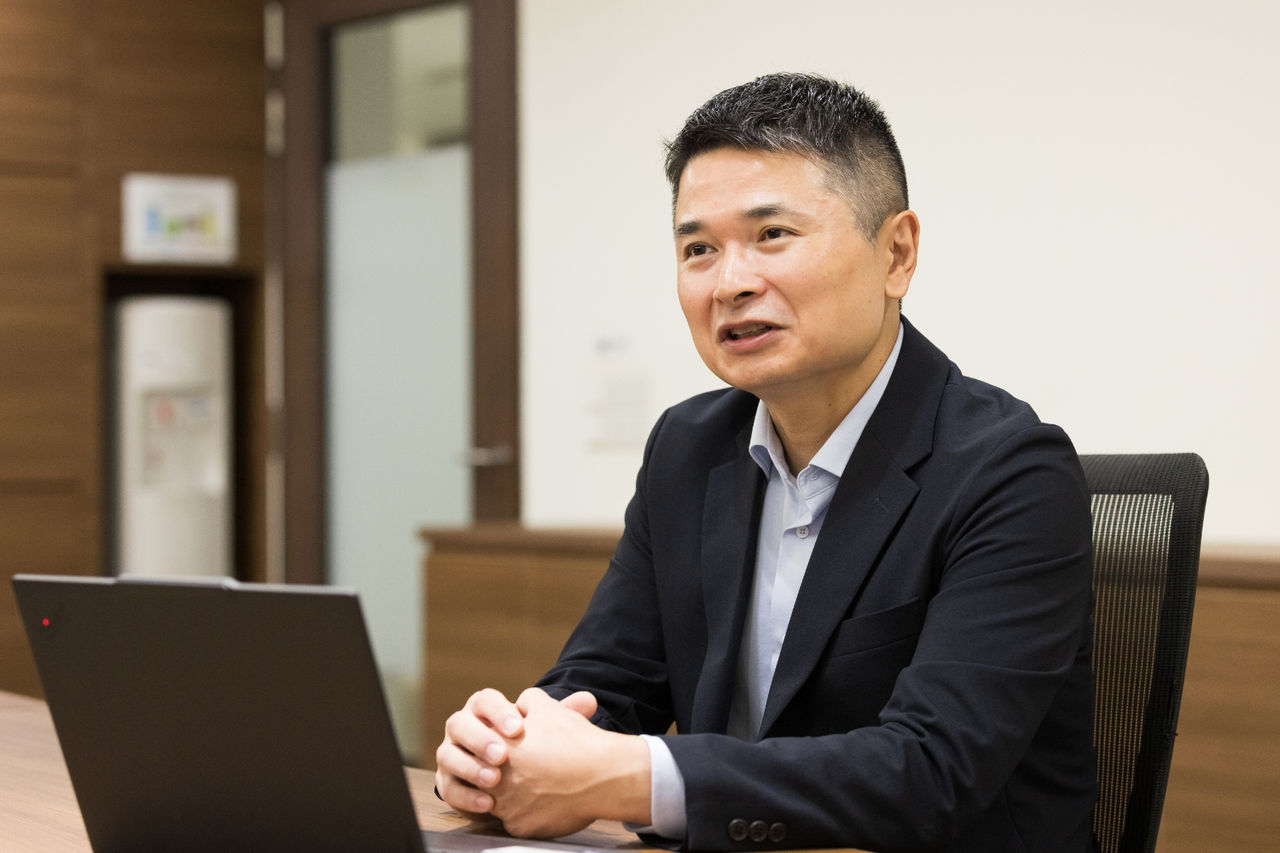
―What are the benefits to both parties from conducting joint research?
SERI can tap into the product development capabilities that Santen has cultivated over its long history.
As an ophthalmology research institute, SERI has produced numerous impactful and advanced research findings and innovative technologies with strong potential to benefit patients. However, transferring these innovations from the laboratory to widespread clinical use often requires specialized expertise in pharmaceutical and medical device development. For example, demonstrating efficacy and safety at the scale required for regulatory approval involves generating data that meet country-specific requirements and conducting large-scale clinical trials. While SERI plays a leading role in scientific discovery and early-stage innovation, translating research findings into actual products is often accelerated through collaboration with industry partners. This is where a company like Santen can contribute its experience in development, regulatory strategy and commercialization to help bring promising innovations to patients more efficiently.
Drawing on the experience and knowledge Santen has developed in ophthalmology, we are able to evaluate research opportunities from multiple perspectives and make timely, well-informed decisions. This capability is particularly evident, for example, when identifying promising research topics from among a large number of candidates. This is because the topics we pursue must be evaluated from both a scientific and a business perspective, taking into account factors that include feasibility as well as the potential to address the unmet needs of patients and healthcare professionals.
This decision-making capability is also put to use in our day-to-day research activities. By drawing on our knowledge and experience in ophthalmic research, we can identify the root causes of current challenges or anticipate future issues, and then consider multiple options from a variety of perspectives. By carefully evaluating the available options and selecting the course of action best suited to the circumstances, we can help research topics progress efficiently and steadily. It is not only the R&D Division that supports this decision-making process. Insights from the Sales and Marketing Division—which interacts with healthcare professionals on a daily basis—and the management team—which makes business decisions—add a level of precision to the decision-making process.
For Santen, joint research with SERI is significant not only because it opens the door to knowledge and technologies that we cannot acquire on our own, but also because it grants us early access to new ideas and emerging research at SERI. Another benefit is the ability to build networks with top-tier researchers around the world and foster the development of global talent. We believe that this mutually complementary relationship allows us to create new value that will benefit patients in the future.
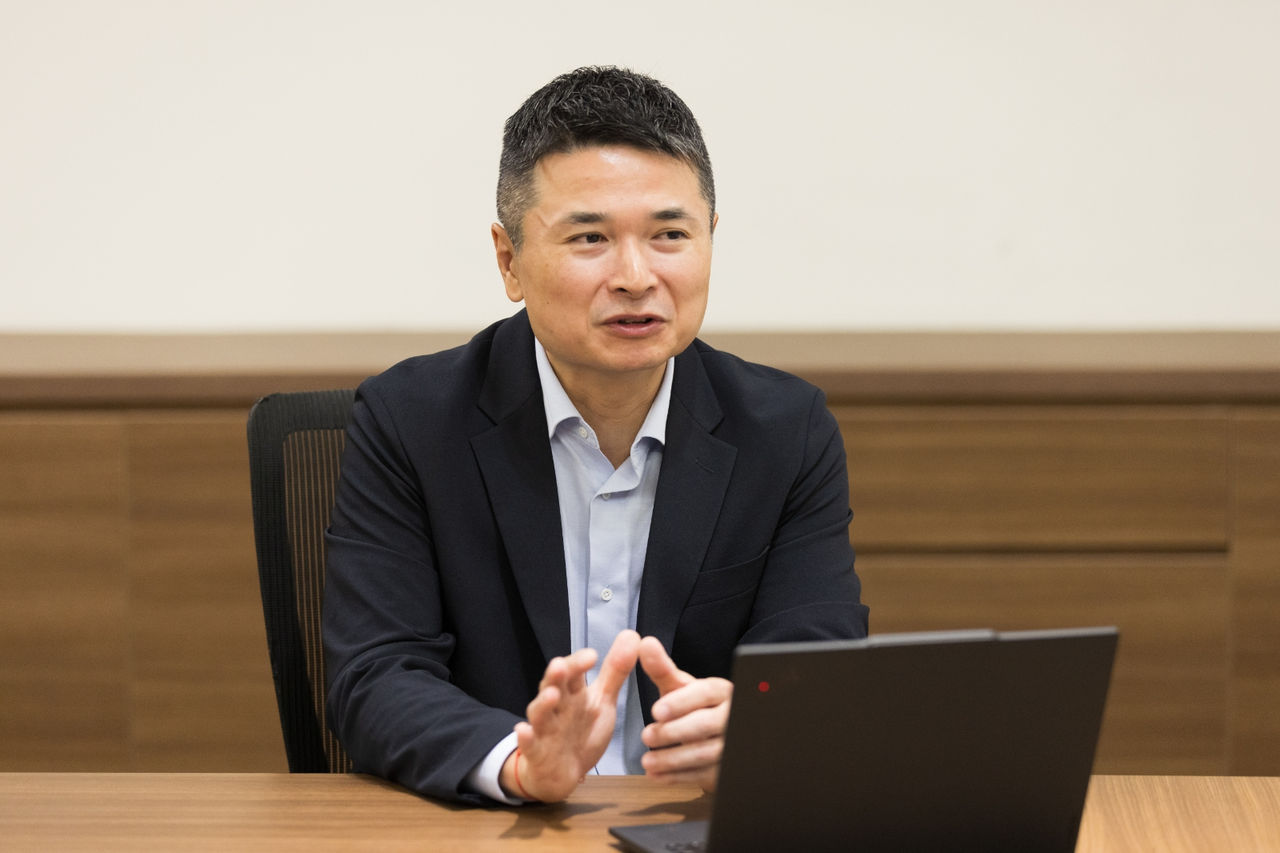
Singapore and Japan: Creating Synergy through Teams that Transcend National and Organizational Boundaries
―What role do you play in that context?
As Head of Discovery Research, I currently oversee research teams in Japan and Singapore. By identifying new research themes based on unmet needs and planning and promoting collaborative research with academic institutions and other companies, I am involved in building an early-stage pipeline that I hope can contribute to achieving Santen’s vision of “Happiness with Vision.”
One of my key activities is, of course, our joint research with SERI. I have been part of the team since the project was launched in 2017, and I am currently based at the SONIC Lab, where I oversee joint research in partnership with researchers and management from both organizations. I facilitate the exploration of potential directions and decision-making when challenges arise, with the goal of maximizing research outcomes and creating value for patients.
―What do you find interesting and challenging about leading a global organization?
What I find most interesting is engaging in discussions with researchers, each of whom are unique individuals with different nationalities and backgrounds. Even when discussing a single topic, the perspectives are as varied as the people themselves, and each person brings a unique set of knowledge and experience to the table. I find it fascinating when these diverse perspectives and insights come together. It’s in those moments that new ideas, hypotheses explaining underlying phenomena, and the next steps for our research emerge—ideas I could never have come up with on my own.
Due to the distance between them, one key challenge is coordinating activity across our offices in Singapore and Japan. Especially during online meetings, language barriers, differences in expertise, and experience gaps can sometimes lead people to hold back, resulting in less active participation. So I focus on actively sharing and integrating the knowledge, experience, and ideas that each person has to offer. I’m constantly thinking of ways and testing new approaches to ensure that team members can engage in discussions on an equal footing, offset one another’s shortcomings, and generate greater synergy.

Connecting with the Global Ophthalmology Research Community while Delivering Santen’s Value Proposition
―How does this work shape your goals for the future?
First and foremost, my goal is to ensure that this collaborative research program is a success. In that respect, I intend to make the most of my environment—as part of SERI’s ophthalmology research community—to proactively identify new ideas and emerging research opportunities and to contribute to patients by creating new value.
Researchers at SERI—even those who are world-renowned scholars—listen attentively to what we have to say and engage with us as equals. They sometimes even introduce us to other research partners.
I am constantly impressed by their open-minded attitudes, their drive, and the sheer size of their global network—there is so much I can learn from them. As a researcher myself, I want to provide my own unique value to SERI researchers—and outside researchers I’ve connected with through the institute—while continuing to sharpen my scientific expertise.
My sense is that SERI researchers are willing to engage with Santen beyond the scope of individual research projects because of SONIC Lab. I hope to build on this relationship by continuing to share our research activities and engage with the broader ophthalmology research community.
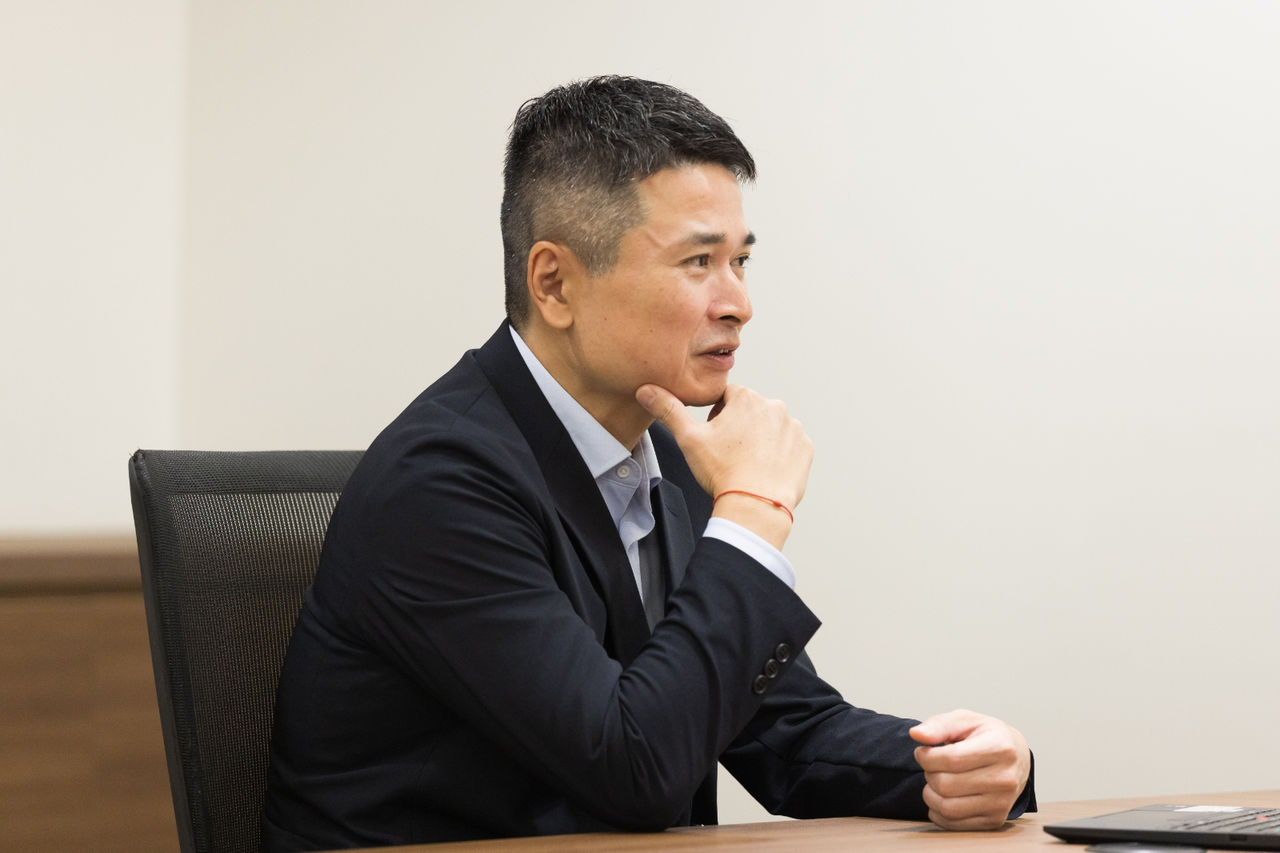
―You have been involved in R&D for over 20 years. What aspects of your work at Santen do you find most appealing and rewarding?
Santen has maintained a long-standing focus on ophthalmology, which provides opportunities to collaborate with ophthalmology research institutions such as SERI. We can leverage our assets—expertise in ophthalmic R&D and a global network cultivated over more than 130 years—to engage in advanced research in collaboration with research institutions such as SERI.
Our approach begins with identifying the challenges faced by patients and healthcare professionals. We begin with the challenges faced by patients and healthcare professionals and then draw our research capabilities and the insights and technologies of a diverse network of partners—including academia, other companies, and healthcare specialists—to seek solutions that can create new value. As a researcher, being exposed to ideas and possibilities that could not emerge from within a single organization is a source of inspiration. It is precisely this accumulation of encounters and discoveries that makes this work so deeply rewarding.
Above all, my greatest source of fulfilment is knowing that the seeds we have identified and nurtured during our research may one day become new treatments or products that reach patients around the world. For a researcher, the opportunity to balance a passion for discovery with a commitment to contributing to patients and society is certainly compelling.
For my part, I intend to continue expanding my global network and taking on new research projects and external collaborations, while always bearing in mind my commitment to patients. I believe that for a researcher, maintaining a sense of curiosity and a willingness to keep taking on new challenges are essential. Santen provides researchers with opportunities for professional development and collaboration with colleagues from around the world.
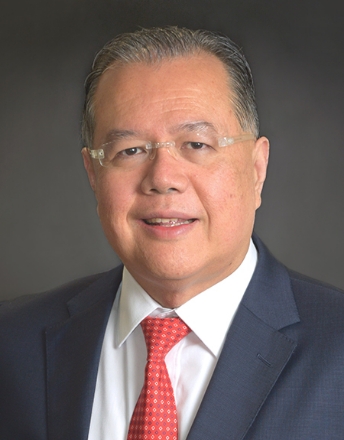
Message
Professor Aung Tin, Chief Executive Officer, Singapore National Eye Centre, and Principal Investigator for the SONIC 2.0 program.
“SERI’s partnership with Santen has come a long way since 2014, when we started co-developing ophthalmic pharmaceutical products. We are proud to continue this collaboration with Santen, where our translational research expertise meets Santen’s innovative product development and industry capabilities. We look forward to the new breakthroughs in therapies that will benefit patients around the world.”
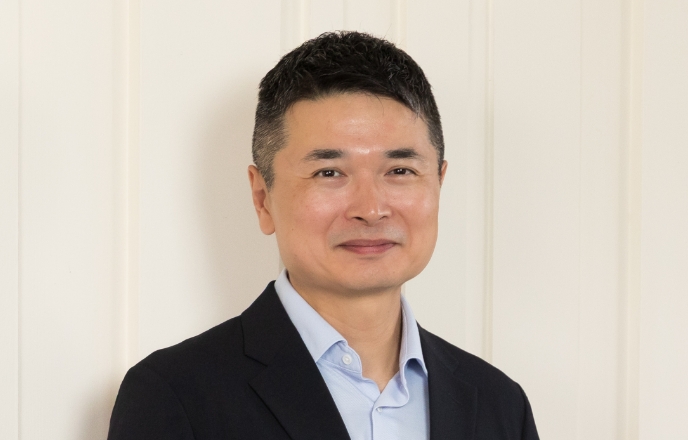
Keiichi Shibagaki
Head of Discovery Research, Pipeline Creation, Ophthalmology Innovation Center, Santen Pharmaceutical Asia Pte, Ltd. (Singapore)
Joined Santen in 2003. For most of his career at Santen, Keiichi has been engaged in pharmacological research at the Nara Research and Development Center but has also spent time at the Head Office in Osaka. In November 2025, he was transferred to Singapore and has held his current position since January 2026. His hobby is mountain climbing; he finds that the sense of accomplishment he experiences from reaching the summit, one step at a time, together with time spent alone in nature are the perfect way to recharge. He was surprised to discover that Singapore has no mountains (but has recently started making trips to neighboring countries).