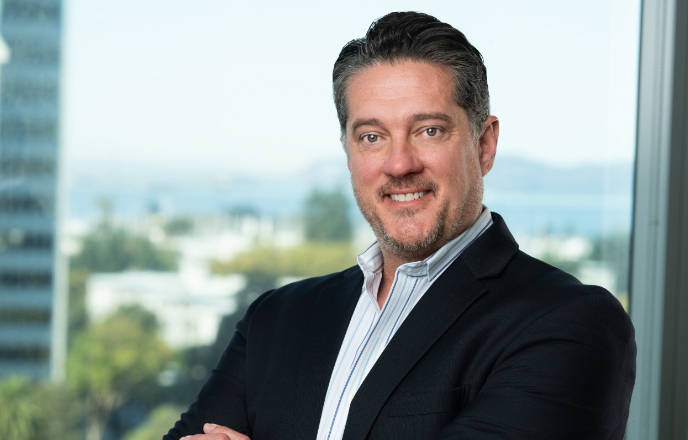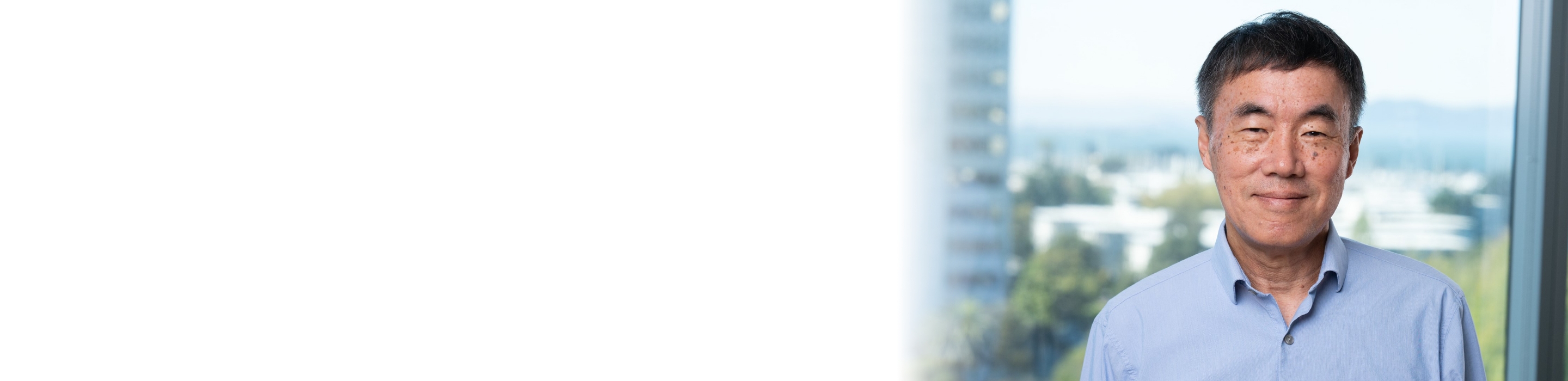
Kay is Vice President of Data Science at Santen Pharmaceuticals, overseeing Biostatistics, Programming, Data Management, and Data Science. He previously held senior biostatistics and development roles at GlaxoSmithKline and Bristol Myers Squibb. He earned a Bachelor of Mathematics from MIT and a PhD in Statistics from Rutgers University.
In today's pharmaceutical landscape, data science has become a core engine of innovation, where scientific insight and statistical rigor work together to deliver safe, effective treatments to patients worldwide. By analyzing past clinical trial data and enabling smarter, more efficient study designs, data science helps shorten development timelines and bring new therapies to patients faster.
At Santen, this effort is led by Kay Tatsuoka, Vice President of Data Science, whose international background, lifelong curiosity, and commitment to mentorship have shaped a career dedicated to transforming how medicines are developed. In this edition of Our Stories, Kay shares his personal journey, his work at Santen, and his vision for how data science will drive the company's future.
How Curiosity Shaped a Career: Destined for Data Science
In many ways, Kay Tatsuoka seemed destined to become Vice President of Data Science at Santen. Born in Japan and raised in Urbana, Illinois—a quiet university town with a strong academic spirit—he grew up in a household that nurtured his fascination with computers, mathematics, and the pursuit of knowledge. His father was a university professor, and his mother a research professor who later worked in educational testing. “Growing up in a university town alongside my parents had a significant impact on my life. It encouraged me to stay curious and shaped how I saw the world around me,” he says. This early curiosity laid the foundation for Kay’s future education and career.
While many of his fellow high school students took part-time jobs as waiters or cashiers, Kay spent his time learning to write code and build programs. “I was so fascinated by computers that I was creating games and databases, working as a computer programmer in high school,” he says with a laugh. For university, Kay decided to leave his small-town to attend Massachusetts Institute of Technology (MIT) for his undergraduate studies, where he was inspired by its diverse student body. “MIT's diversity exposed me to so many different cultures and ways of thinking. It was even the first time I tried Chinese food,” he recalls fondly.
After completing his undergraduate work at MIT in Mathematics, Kay went on to earn a Ph.D. in statistics from Rutgers University and complete postdoctoral research at the National Institute of Statistical Sciences, where he first encountered the vast pharmaceutical datasets that would shape his future career. “It completely shifted my approach,” he says. “Instead of seeking data for methods, I began developing methods for the data available.” This shift in mindset became the spark for the unique analytical approach he brings to his work today.
Entering the Industry
Following his postdoctoral work, Kay began his professional journey at GlaxoSmithKline (GSK), where he was the only statistician among 200 computational biologists*1 . His work included biomarker*2 research, systems biology*3 ,
toxicogenomics*4 , and safety analytics*5 . Over time, Kay realized that if he wanted his work to have a greater impact, then he should shift his focus to clinical statistics—which is at the heart of drug development. At GSK and later at Bristol Myers Squibb (BMS), Kay contributed to early- and late-stage clinical trials, helping advance innovative Bayesian methods*6 , which allow researchers to combine existing knowledge with new clinical data as it emerges, helping them make faster, more accurate decisions during a trial. At BMS, he played a key role in studies involving nivolumab, a leading immuno-oncology agent, and other assets while integrating biomarkers and enrichment strategies*7 to identify optimal patient populations.
These experiences shaped his belief that statisticians should not only analyze data but also help set strategic direction and design impactful clinical trials that guide the growth of a department. That vision led him to join Santen in 2021 as the global head of data sciences and biostatistics. As the lead statistician, Kay oversees a global team covering Japan, China, Europe, and the U.S., driving data-driven innovation in clinical development, research, and beyond.
- Computational biologist: a researcher who uses mathematics, statistics, and computer science to analyze biological phenomena in a theoretical and quantitative manner.
- Biomarker: a biological indicator, such as a genetic mutation or a component found in blood, that is used for disease diagnosis, prognosis, or for predicting and evaluating treatment efficacy.
- Systems biology: a research field that views genes, proteins, metabolites, and other biological components not in isolation, but rather as an integrated system, using data to understand how drugs affect the body.
- Toxicogenomics: a research field that uses genomic information to analyze the toxic effects and potential side effects of drugs.
- Safety analytics: an analysis that statistically and scientifically evaluates whether a drug is safe for patients, including the risks of side effects and adverse events.
- Bayesian methods: a statistical inference approach in which probabilities are updated by combining prior knowledge with newly obtained data.
- Enrichment strategies: a strategy used in clinical trials and research in which patient populations expected to show a strong response to a treatment are preselected and preferentially enrolled, allowing the efficacy and characteristics of a drug to be evaluated more clearly.
Statistics & Data Science in Action: Making an Impact at Santen
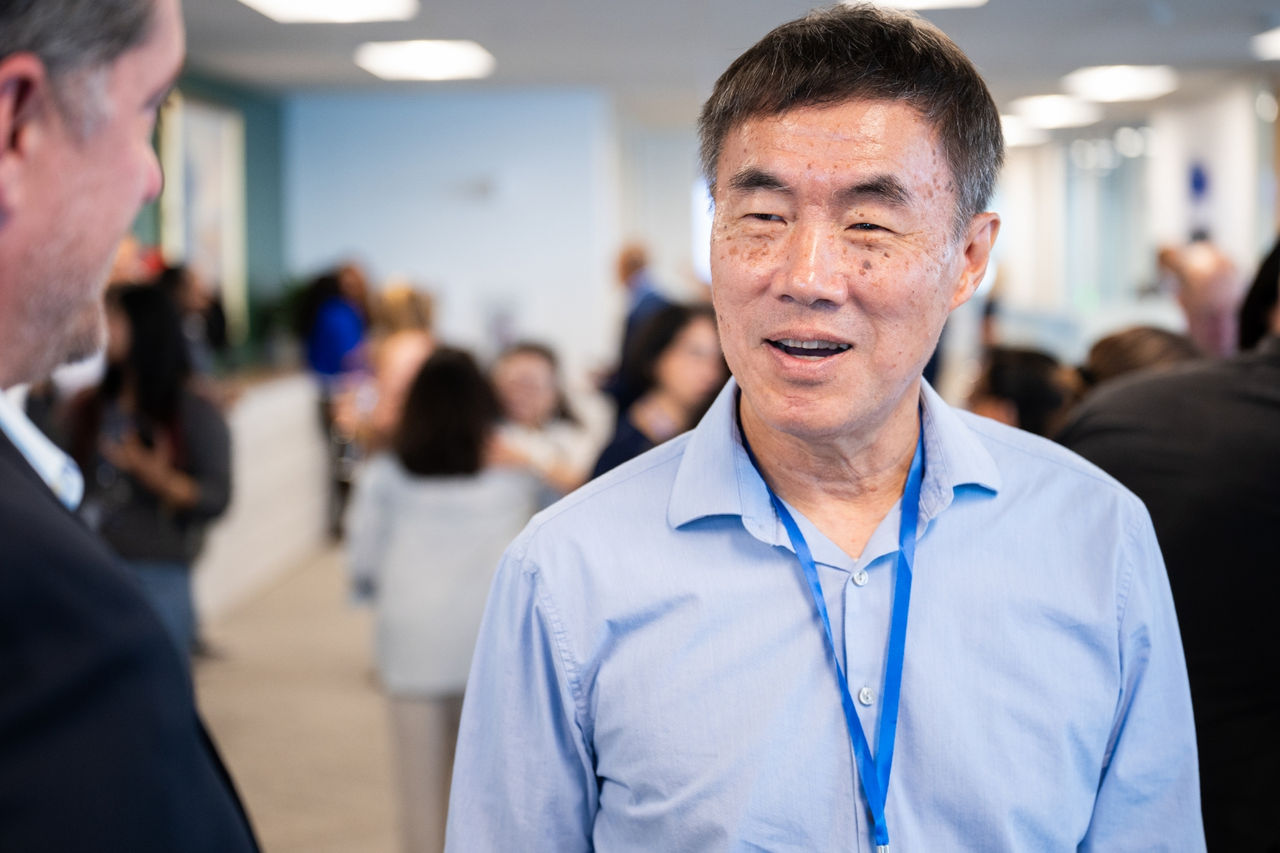
One of Kay's major initiatives in statistics at Santen demonstrates how sophisticated statistical methods can have a profound and positive human impact. In a clinical trial for a glaucoma treatment in China, the study initially required 320 participants but faced delays due to slow enrollment. The team saw an opportunity to apply Bayesian statistical methods, leveraging data from previous clinical trials instead of starting from scratch. Unlike traditional approaches that treat each trial in isolation, Bayesian methods incorporate prior knowledge, making studies more efficient while maintaining scientific accuracy. The team carefully analyzed existing clinical data and built statistical models, allowing the team to reduce the number of participants required by nearly one-third—from 320 to approximately 220.
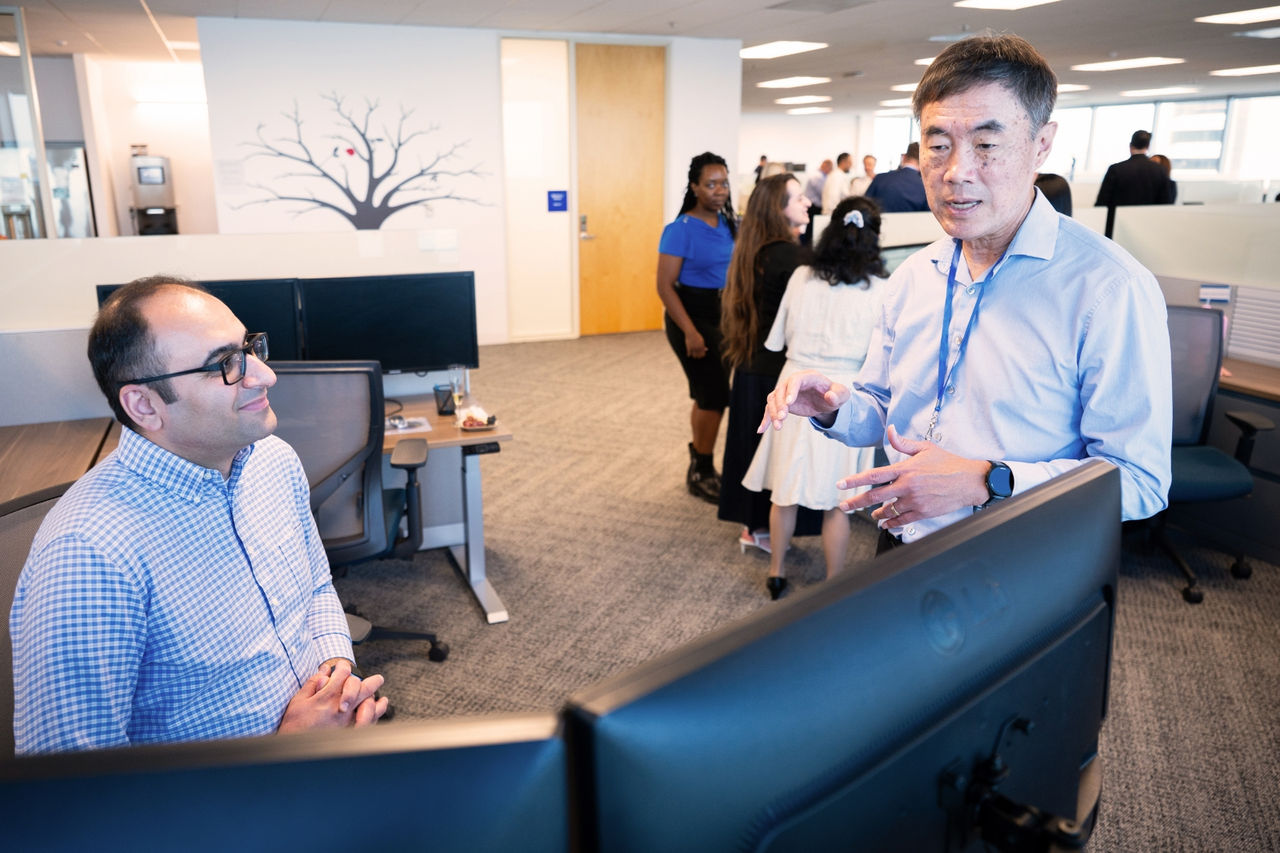
Another notable initiative of Kay's at Santen is addressing how data science is contributing to research and development activities (R&D). Kay is currently co-leading an artificial intelligence (AI) task force within R&D, driving innovation and efficiency across multiple areas of the pharmaceutical pipeline. His team makes use of advanced generative AI to allow internal information to be incorporated for in-house searches. With the goal of improving productivity and accelerating drug approvals, the task force is also exploring the application of AI technology to image analysis, genetic data interpretation, and even clinical study report writing, protocol development, and regulatory submissions.
Kay and Data Sciences has additionally supported projects in CMC (chemistry, manufacturing, control) and the strategic use of internal and external data for drug discovery and commercialization. He emphasizes the importance of collaboration, noting that successful clinical trials require coordinated efforts across clinical, regulatory, and commercial teams.
Mentorship as a Key to Success
Kay, who now leads his own teams at Santen, reflects on how giving someone a chance and valuing mentorship can change someone's life. “At GSK I was a statistician, the only statistician in a large computational bioinformatics department, but I wanted to work on clinical trials because they had a greater impact on drug development. I thought to myself, ‘Who is going to hire someone like that?’ I had a mentor, Tim, who took a chance and hired me when I had little experience. I try to take that approach when hiring for my teams, to look at the bigger picture, the upside and growth potential of the individual rather than just skills on a resume,” he says.
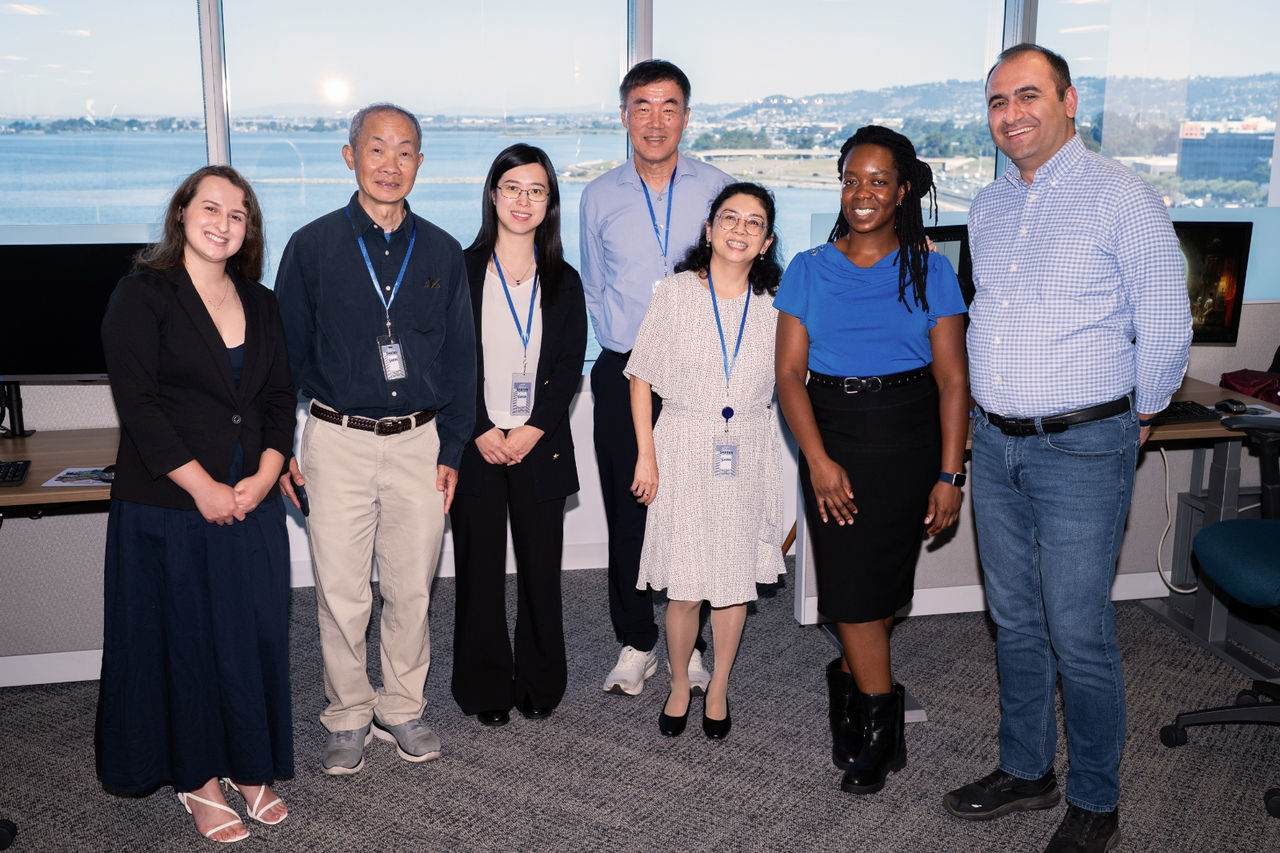
Members of the North America Data Science Team
He also mentions the growing pains that come with leadership. People with technical backgrounds are often introverts, so having to speak up and exert their influence can be a challenge. Despite such hurdles, Kay and his team continue to focus on making impactful contributions to Santen and, more broadly, the eye health of patients. As for advice for people early in their careers Kay mentions the importance of continuous learning even outside their field, building collaborations, and keeping special focus on projects that can demonstrably impact the company and patients.
Looking Ahead
Outside of work, Kay is an active father with two children who recently finished college. He enjoys hiking and running with his family, although he admits that he has a tough time keeping up with his son on runs—a challenge he approaches with good humor. He also enjoys reading thrillers, and traveling, especially to Japan, where he can reconnect with his roots.
Kay's personal curiosity and love of learning extend naturally from his personal life into his professional vision. He sees Santen as a cutting-edge leader in clinical trial design and AI, focused on creating meaningful impact for both patients and the company. He is passionate about leveraging innovative technologies to accelerate discovery, improve efficiency, and ultimately make a tangible difference for patients worldwide. Whether it’s empowering his team or pioneering new statistical approaches, Kay continues to champion a mindset that values growth, collaboration, and lasting impact for patients.
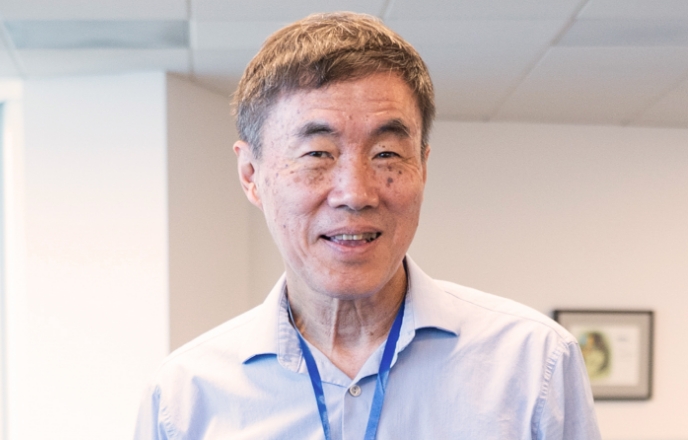
Kay Tatsuoka
Vice President of Data Science
Related pages