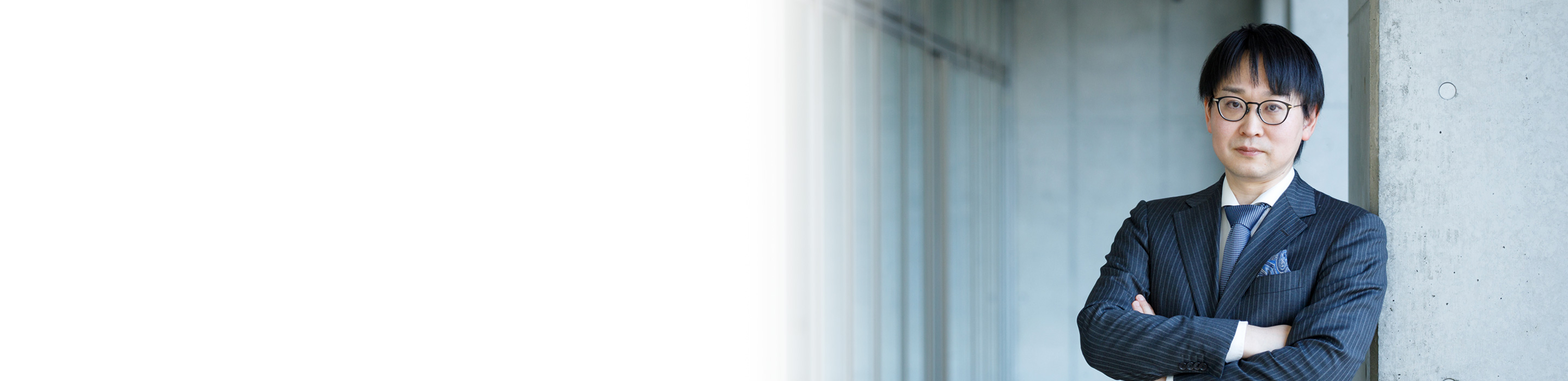
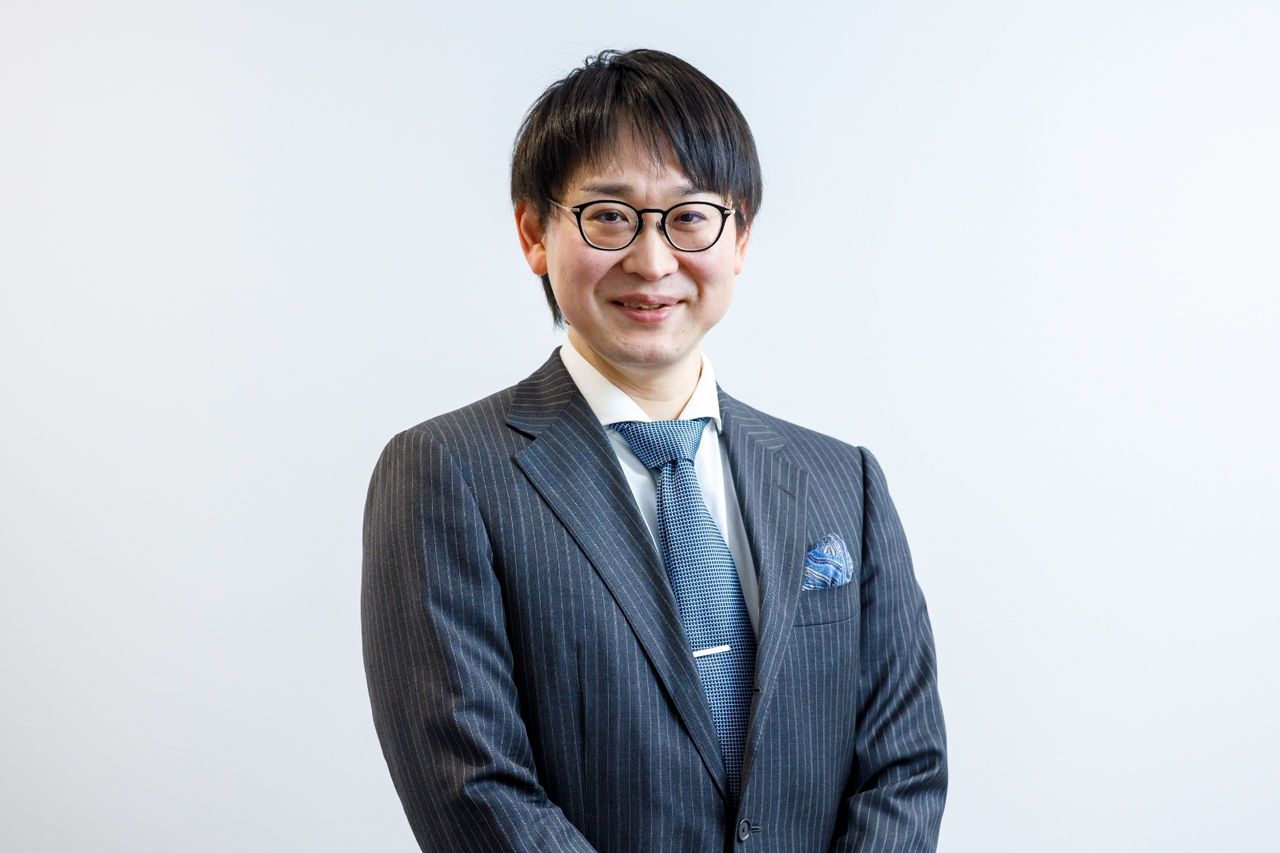
Takayuki Yamasaki
Born in 1981 in Hiroshima Prefecture, Japan. At age 11, he joined the Kansai Shōreikai, a training organization for professional shogi players, as a student of Nobuo Mori. He turned professional at age 17 after reaching the rank of 4-dan. To date he has won eight official tournaments, including the inaugural Eio Tournament in 2015. In February 2025, he defeated Yoshiharu Habu in the 83rd Round-Robin Tournament B Class 1 Group and was promoted to the highest rank in professional shogi, 9-dan, after earning his 250th official tournament win.
A sincere personality coupled with a unique playing style and his ability to stage comebacks from disadvantageous positions have earned him a large fan base.
World Glaucoma Week
Glaucoma is a leading cause of acquired (adult-onset) blindness in many countries and regions, and approximately 80 million people worldwide*1 currently suffer from the disease—a number that is expected to rise to 111.8 million by 2040*2.
Every year, for one week in early March, events are held around the world to raise awareness of glaucoma as part of World Glaucoma Week (WGW). In 2026, WGW will be held from March 8 to 14.
Glaucoma is a disease that affects the optic nerve, which transmits information from the eye to the brain, and results in a narrowing of the field of vision. Early stages of the disease are characterized by a lack of symptoms, so many people remain undiagnosed. However, glaucoma-related vision loss is irreversible, so access to accurate knowledge, early detection, and continued treatment are critical to slowing its progression.
Shogi is a popular Japanese board game similar to chess, and Takayuki Yamasaki is one of the few people to achieve the highest rank (9-dan) as a professional shogi player. He was diagnosed with glaucoma in 2024 and is currently undergoing treatment while continuing to compete at the highest levels of the game. We recently sat down with him to learn more about his perspective on the importance of “seeing,” on remaining a competitive shogi player, and his thoughts on early detection of glaucoma.
(Interview: January 17, 2026)
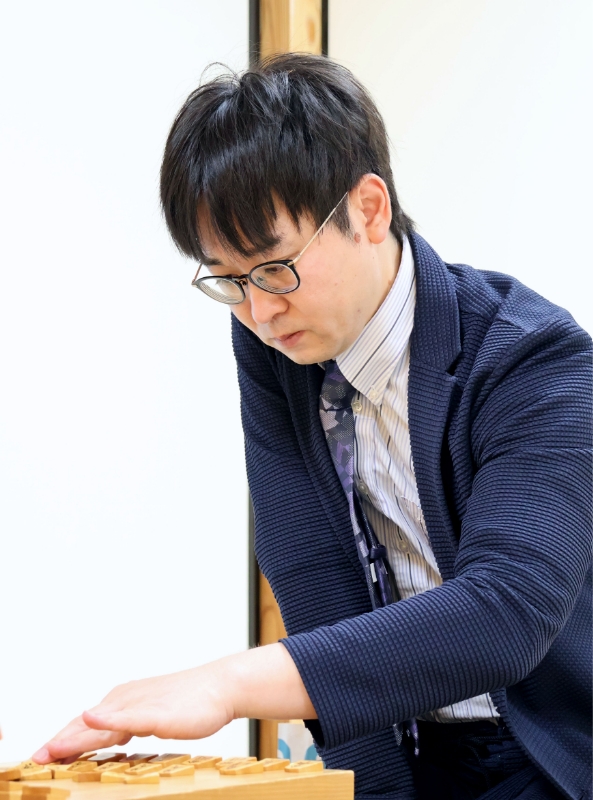
Timely diagnosis saved the vision in my dominant eye
Takayuki was diagnosed with glaucoma in the spring of 2024 after an abnormality was detected during a routine health checkup. Thinking that it would be nothing more than a casual warning to “be careful,” he visited an ophthalmologist for a follow-up examination, where he learned that glaucoma in his dominant left eye had advanced to a stage that he was on the brink of developing visual field defects.
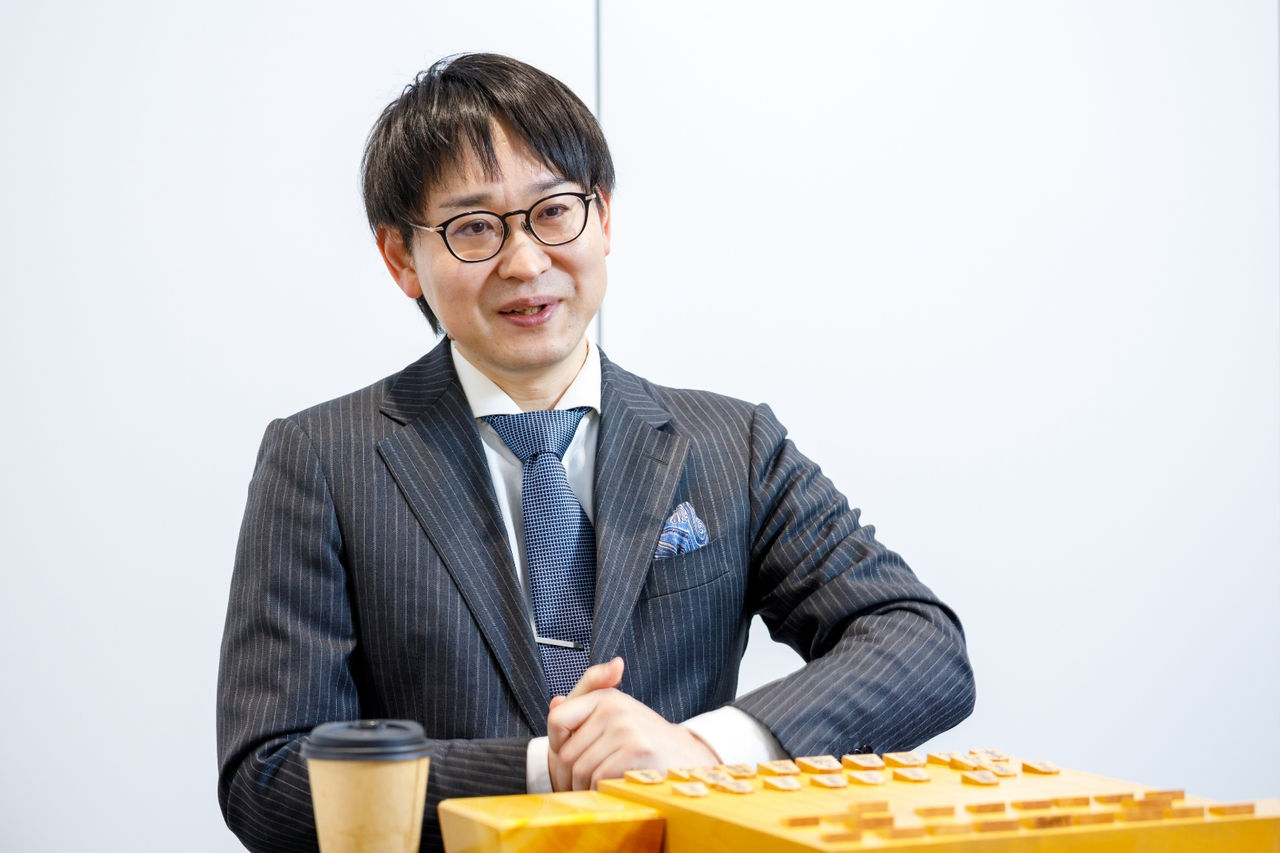
“Back then, I didn't even know the difference between cataracts and glaucoma. Since my father had undergone cataract surgery, I asked the doctor, ‘Can it be cured with surgery?’ He said that was unlikely.”
He recalls being shocked upon learning that glaucoma was a progressive, incurable disease and that leaving it untreated could have eventually led to blindness.
Takayuki belongs to the Japan Shogi Association, which conducts annual health checkups for essentially all of its players. Takayuki has been monitoring a chronic condition since childhood, and is used to having to schedule follow-up checks for items related to his condition. Although doctors had flagged eye-related abnormalities to him several times before, he hadn't taken them seriously and left them unaddressed.
However, a past health checkup would later prove to be an important turning point for Takayuki. It occurred when he was in his thirties, struggling with unexplained weight gain and depression, which had made it difficult for him to concentrate on shogi. After the checkup picked up an issue that required a follow-up exam, he visited the hospital and was diagnosed with another chronic illness. Once he started taking the prescribed medication, his condition improved. He felt a sense of relief upon realizing that the physical and mental discomfort he had previously blamed on his own laziness were actually caused by the illness.
Recalling this experience—“a follow-up examination that turned out to be a good thing”—he decided to visit an ophthalmologist and was diagnosed with glaucoma. Since his diagnosis, he has been undergoing eye drop treatment and regular follow-up visits.
“I was lucky that I was able to start treatment before my vision began to deteriorate. Had I started treatment sooner, I might not have had to worry about vision loss at all, at least while I am still an active professional player. I really wish I could go back and tell my past self, ‘Go have your vision checked immediately!’”
To hold my own against the strongest opponents
Professional shogi players have no mandatory retirement age. However, the physical stamina and concentration required for matches—along with the speed and amount of “reading”, the ability to analyze and consider every possible move within a limited time—tend to peak during their 20s. These abilities then gradually decline, with players typically retiring around the age of 60. After turning 30, Takayuki noticed that his memory was no longer as sharp as it once was, and he struggled to recall the moves he’d been practicing during an actual game. Having long heard senior players talk about the pain of no longer being able to win after passing their peak, Takayuki, now 45, acknowledges that he can no longer perform as he did in his twenties.
For a professional shogi player, the greatest fear is losing the ability to compete against stronger opponents.
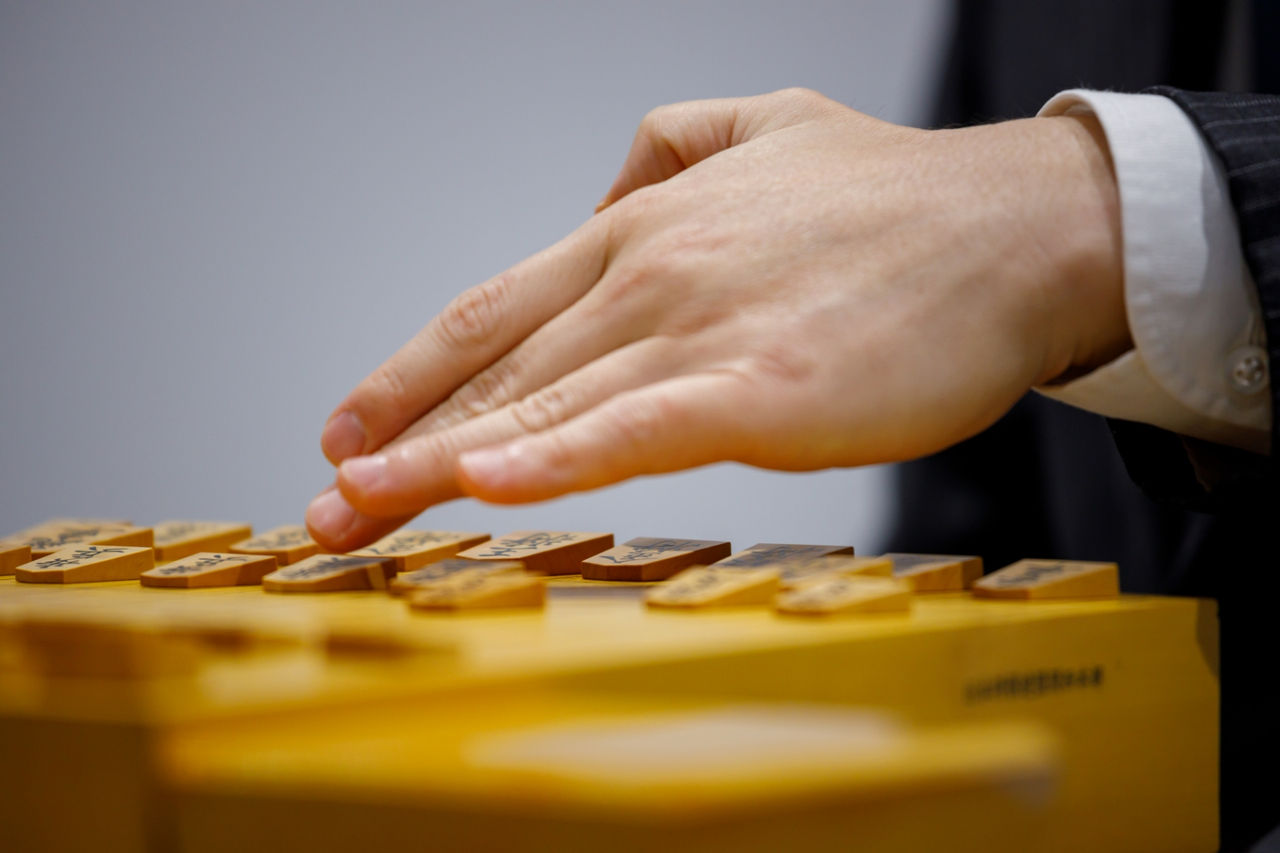
Two months after being diagnosed with glaucoma, Takayuki (then 8-dan) defeated Amahiko Sato (9-dan), earning his right to challenge for the title at the 95th Kisei Tournament*3 in February 2024. This was the second time Takayuki had earned a place in the final of one of Japanese shogi’s eight most prestigious tournaments—and his first since the Oza Tournament in 2009. Challenging for a title at age 43 after a 15-year gap was a rare achievement in the shogi world, drawing significant attention. Driven by a sense of urgency—“If my glaucoma progresses, then I may no longer be able to play in peak condition”—he approached his best-of-five match against Kisei title holder, Sota Fujii, with full knowledge that this could be his last chance for a major title. However, he suffered three consecutive losses—and the defeats continued to pile up throughout 2024.
“It was a feeling of despair, or perhaps a sense of loss. I felt pathetic, as if it was inevitable that I would lose despite all the hard work I had put in throughout my career.”
A career that began with Takayuki leaving his childhood home when he was a middle school student to become a live-in apprentice under his master, Nobuo Mori. Even when the schedule for the Rookie League 3-Dan Tournament, the gateway to becoming a professional shogi player, overlapped with his high school entrance exams, he chose shogi. By not pursuing higher education, and having moved to Osaka with the support of his friends and family back in Hiroshima, he had no alternative but to commit himself to becoming a professional shogi player.
“I could have continued to lose and become depressed. But shogi is all I've ever done, so at this point, it would be hard to suddenly find something else to do. I want to stick to shogi and keep competing.”
That's precisely why he says he is gratefu l for still being able to see.
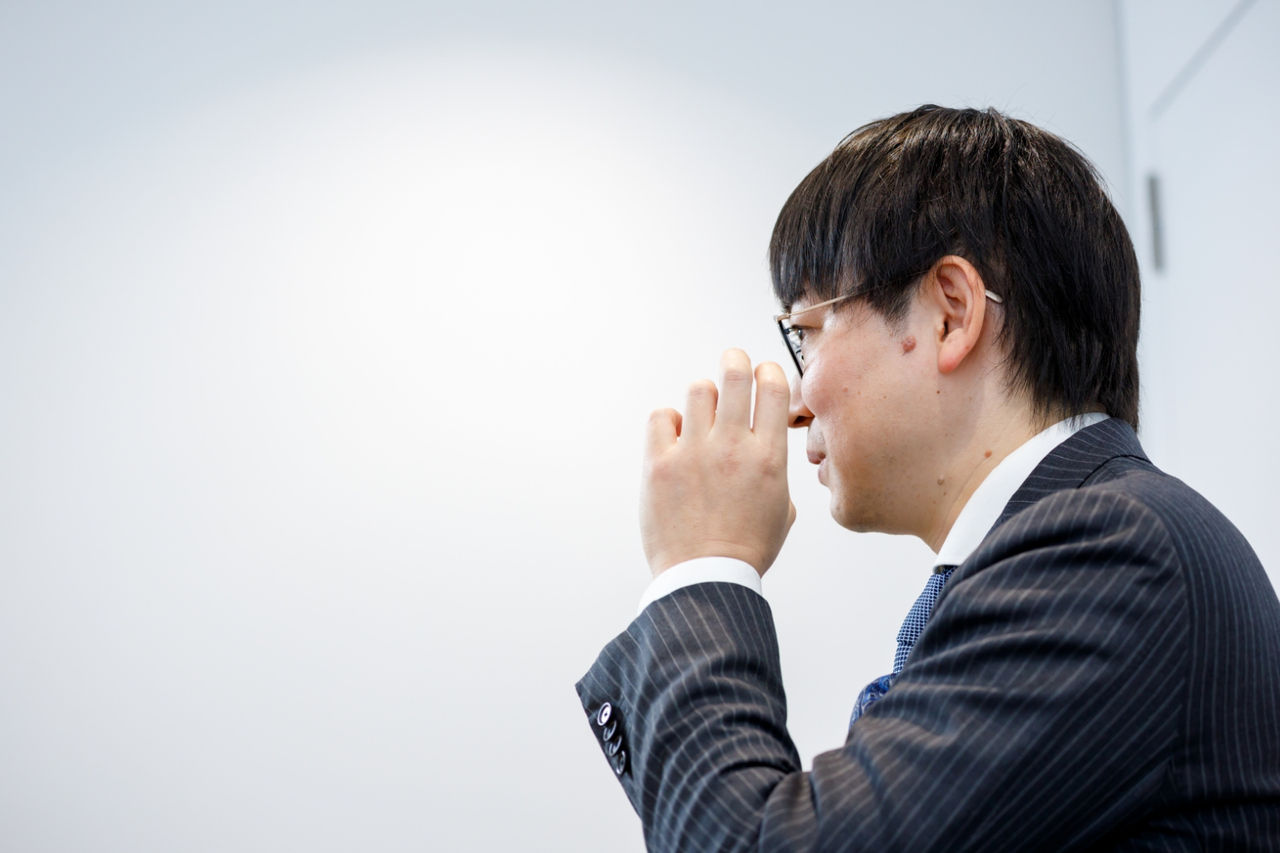
To continue being able to enjoy shogi, the game I love
As a child, Takayuki was very athletic and never lost to other kids his age. However, after his father introduced him to shogi while he was in kindergarten and he began attending a nearby shogi class, he had his first taste of losing to someone younger.
“That would be Daisuke Katagami, who today is a 7-dan player and an executive director of the Japan Shogi Association. He was a year younger than me, yet very skilled. I was so frustrated about losing to someone younger that I got serious about finding a way to beat him.”
At the time, Takayuki played on a local softball team and had been competing with older kids since he first entered elementary school. One day, after the coach told him, “[You’re up there to get a walk so] don't swing,” his enthusiasm for the game faded.
“Hearing him say that made me want to swing even more,” he recalls with a laugh. “So I swung, was called out, and got yelled at. I just couldn't bring myself to suppress who I am and simply stick to an assigned role.”
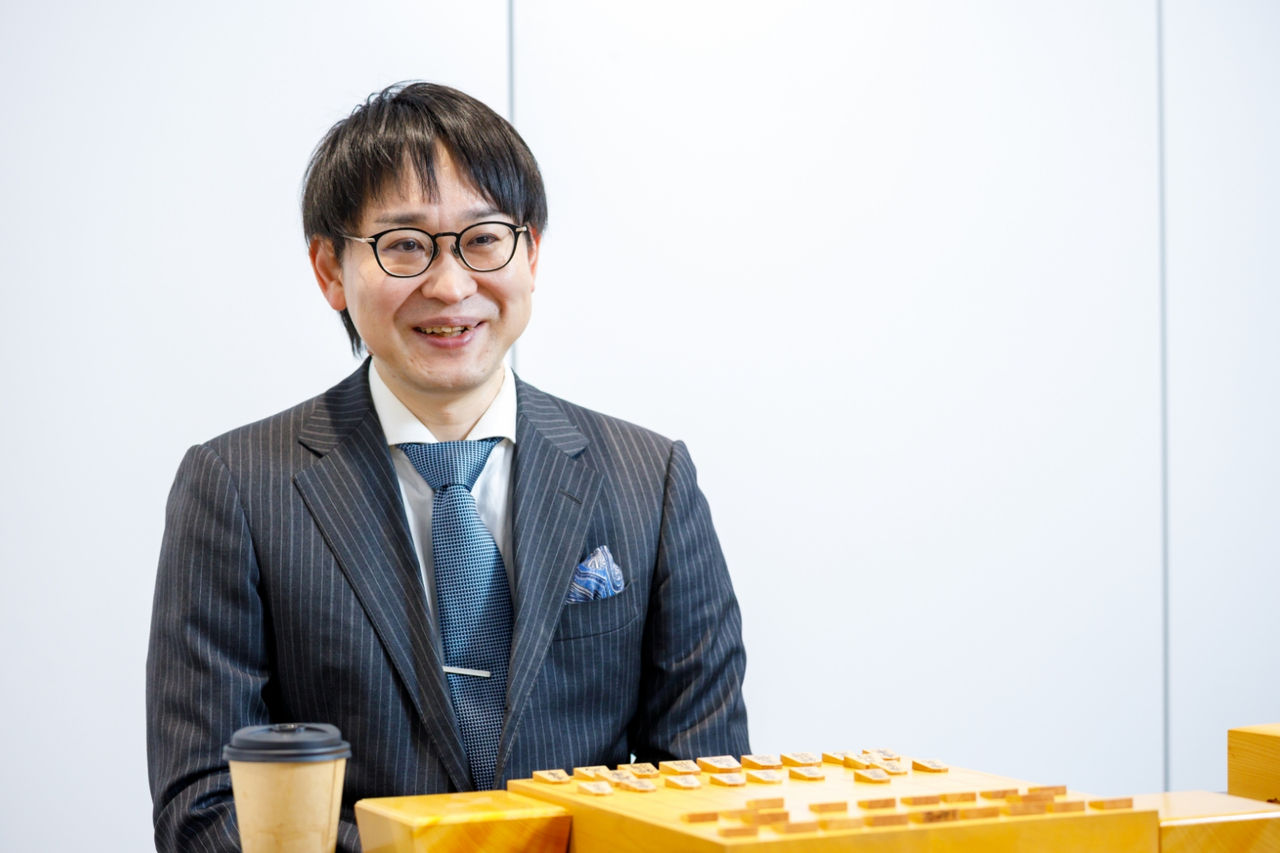
Compared to team sports, where he couldn’t play the way he wanted to, shogi offered Takayuki the freedom he craved because every move was entirely at his discretion. As someone who had grown to love competition, he was also drawn to shogi because the sense of victory or defeat felt direct and personal.
“Even after turning pro, I never really felt like it was work. I've always loved shogi, and I feel incredibly fortunate to have become a professional player. Even though sometimes I feel sad—times when I realize I can't win like I did when I was younger—those changes are also interesting.”
His season record for 2025 was 25 wins and 11 losses for a 0.6944 winning percentage*4 —a significant improvement over 2024’s 0.4390, his worst performance as a professional. He believes that failure to recall what you memorized in practice during an actual game means that you should practice even harder and learn through experience. He is known for playing countless games against younger players, determined to “aim for the top again, leaving no room for regret.”
When asked about his future aspirations, he said: “To perform at my best, good health is essential.”
“Had I known that glaucoma is irreversible once it progresses, and that treatment involves ongoing management, which may include daily eye drops, I would have sought treatment much sooner*5. Being a professional shogi player is a job that strains the eyes. I want to stress to everyone that a delay of just one or two years could affect the rest of their lives. I want to maintain my current condition, where I have no trouble seeing, for as long as possible and leave my mark as a strong shogi player.”
Determined to keep enjoying the shogi he loves so much, he refuses to give up, no matter how many times he fails. That commitment is enough to make Takayuki’s journey one well worth watching.
- Glaucoma Research Foundation. Glaucoma Facts and Stats – Global Prevalence. (Data as of 2020)
- Tham YC, et al. Global prevalence of glaucoma and projections of glaucoma burden through 2040. Ophthalmology.
- Kisei Tournament: One of eight major shogi tournaments. Players advance through preliminary rounds to challenge the current title holder—known as the “Kisei” (roughly, “Master of Strategy”). The title match is a best-of-five series, with the winner crowned “Kisei”. Winners are considered among the elite of Japanese players.
- As of March 5, 2026
- This article presents personal experience and is not intended as medical advice. Treatment decisions should be made in consultation with a healthcare professional.
Related pages
Please check the following pages for more information about glaucoma and the latest initiatives: