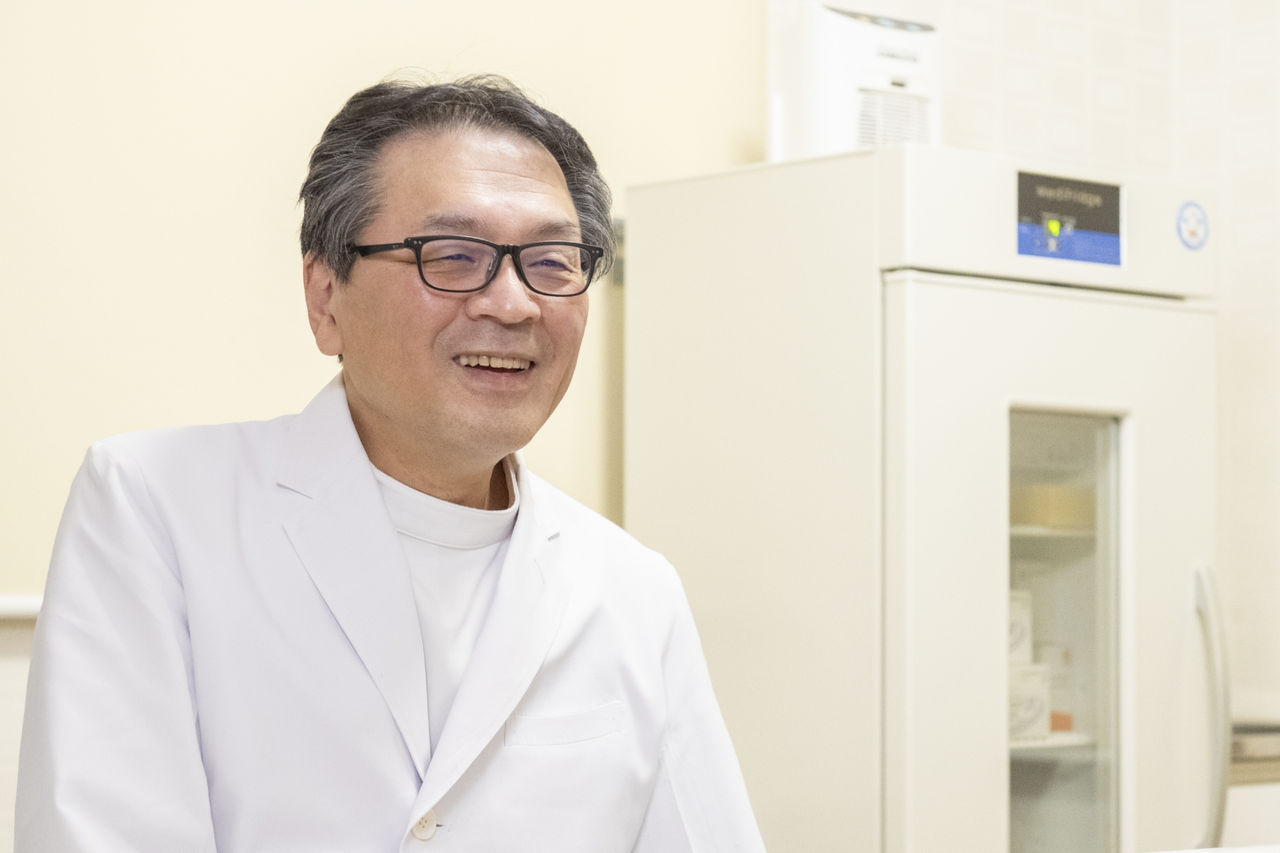
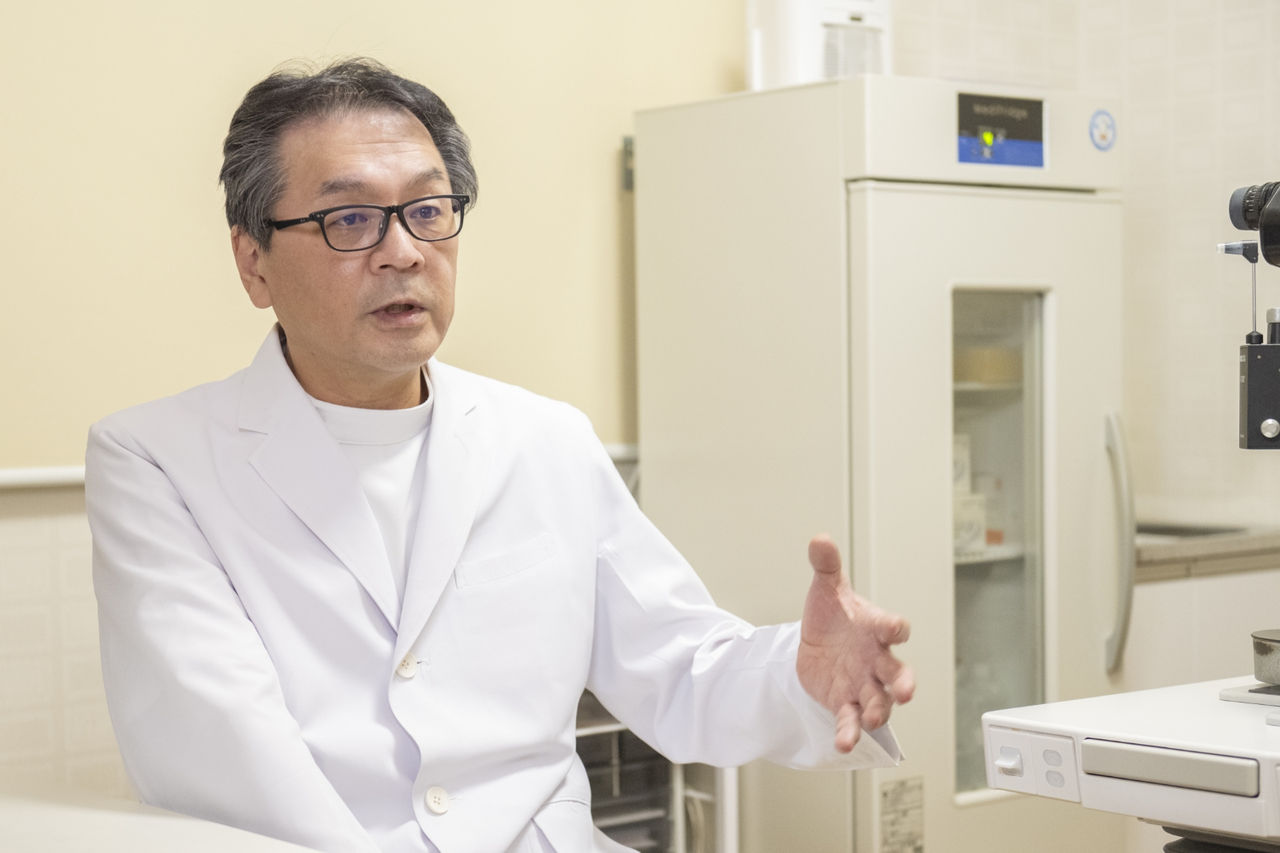
Dr. Jun Shoji
Director, Shoji Eye Clinic
Clinical Professor, Nihon University School of Medicine
Graduated from Nihon University School of Medicine in 1985. Worked at Choshi Municipal Hospital and served as an adjunct lecturer at Nihon University School of Medicine before becoming director of Shoji Eye Clinic in 2002. Since 2007, has served concurrently as a clinical professor in the Department of Visual Science within Nihon University School of Medicine’s Department of Ophthalmology. Board-certified specialist in ophthalmology (Japanese Ophthalmological Society) and allergy (Japanese Society of Allergology).
As an ophthalmologist, has extensive experience treating allergic diseases, particularly allergic eye diseases in children. Actively engages in educating healthcare professionals through workshops and other educational activities.
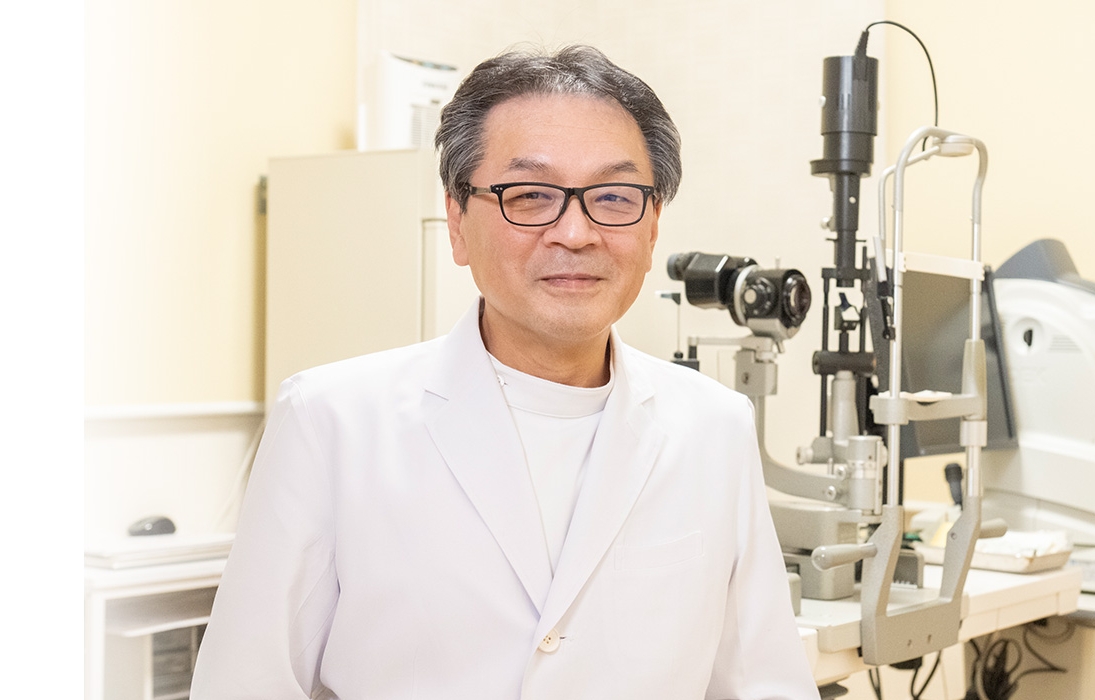
The environment surrounding allergic eye diseases is shifting and new trends are being observed; these include a greater variety of causative antigens (allergens) driven by changes in lifestyles and living environments, and a lowering of the age at which people begin suffering from allergic rhinitis (hay fever). Alongside advances in therapeutic treatments, patients today have new options for support from medical professionals. However, misunderstanding can lead to some patients failing to experience the full benefits of antiallergic medications*1.
We recently sat down with Dr. Jun Shoji, a leading expert in the treatment of allergic eye diseases, about current trends, appropriate treatments, and new developments in medical support systems.
(Date of Interview: January 16, 2026, Location: Shoji Eye Clinic)
*1 This article describes trends and healthcare practices within a Japanese medical context.
Disclaimer: This article is intended for general informational purposes only and does not replace consultation with a qualified healthcare professional. Treatment decisions should be made based on individual medical evaluation.

How Are Eye Allergies Evolving?
―What trends in allergic eye diseases have you observed in recent years?
Please understand that I don't have precise statistics, and I’m not in a position to make definitive statements, but my impression is that the number of patients seeking consultations for allergic eye diseases is increasing. Given the growing number of hay fever sufferers, visits related to seasonal allergic rhinoconjunctivitis*2 in particular have become more frequent.
In recent years, allergies to various types of pollen—not only cedar pollen but also birch and alder—have become more common. In connection with this, patients experiencing Pollen-Food Allergy Syndrome (PFAS) have also become more prevalent.
*2 Seasonal allergic rhinoconjunctivitis: A condition where allergic rhinitis and conjunctivitis occur simultaneously due to seasonal allergens such as cedar and cypress pollen.
Early Diagnosis and Appropriate Treatment Can Improve Symptoms
―In terms of timing, when is it appropriate for people to seek medical care for seasonal allergic diseases?
We recommend early treatment for patients diagnosed with seasonal allergic rhinoconjunctivitis. In my clinical experience, some patients may be advised by their physician to begin treatment before symptoms appear, depending on individual history and risk factors. The potential impact can vary from patient to patient.
The timing of seasonal allergic rhinoconjunctivitis onset varies from patient to patient, but each person tends to experience symptoms and seek treatment around the same time each year. So, I make a point of telling patients, “Since your symptoms typically appear around this time every year, next year let's begin treatment a little earlier.”
Once patients experience the effectiveness of the initial treatment, many seem to proactively seek early treatment the following year.
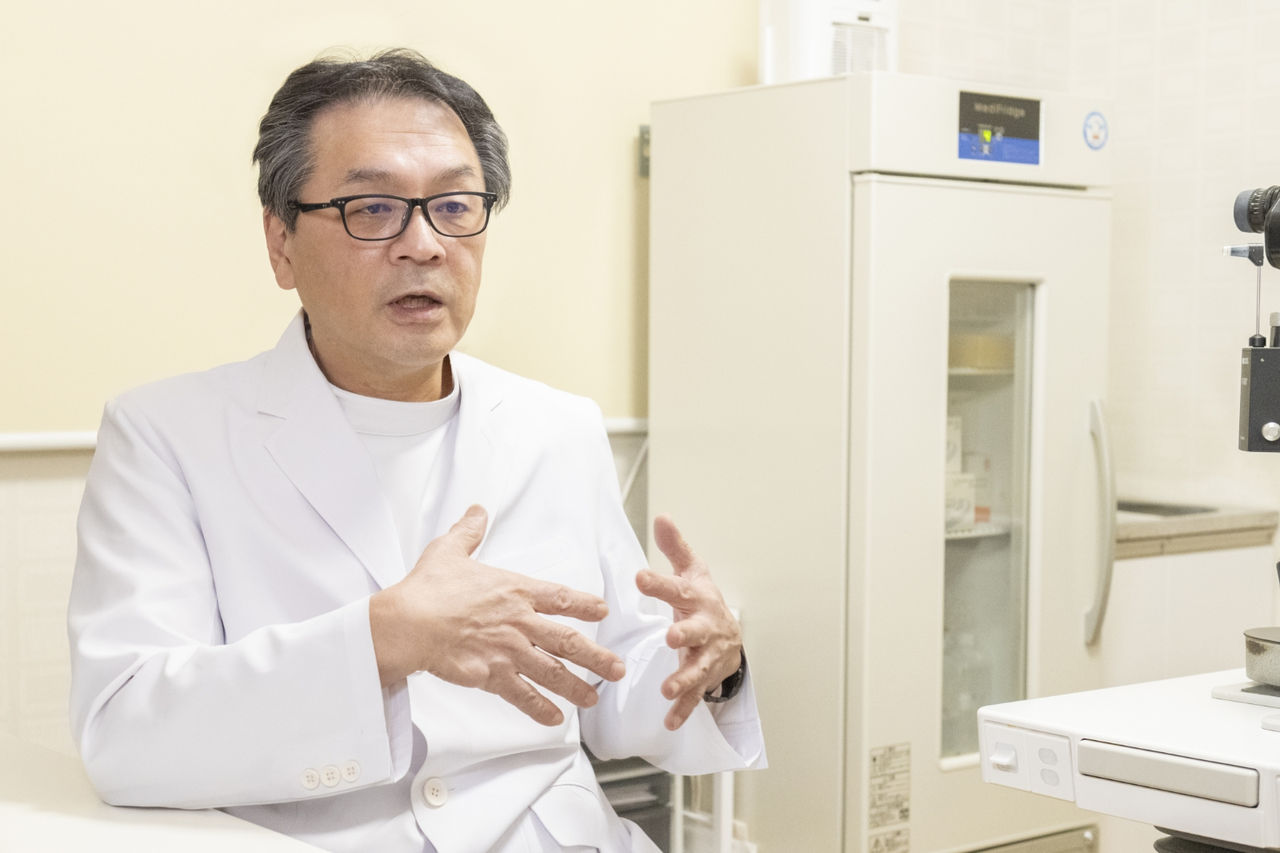
―What common misconceptions, if any, do patients have about allergic eye disease treatment?
Well, their doctor might say, “Let me prescribe some anti-itch eye drops for you,” but often patients misunderstand this to mean, “These should only be used when my eyes are itchy.” So, some patients only use them when the itching has already started, and they don’t experience sufficient relief from treatment.
Anti-allergy medications are designed not only to relieve itching, but also to prevent the onset or worsening of symptoms. This can be achieved by continuing to take medication as prescribed, adhering to the dosage and schedule—even when asymptomatic—for the length of time recommended by the physician. Healthcare providers should carefully explain this to patients and make sure they understand what they’re being told.
Recently, we have seen the emergence of treatments such as sublingual immunotherapy*3 to improve the body's constitution and antibody therapy to suppress allergic reactions.
*3 Sublingual immunotherapy: A treatment method involving daily under-the-tongue administration of medication containing small amounts of allergens to desensitize the body and make it less likely to trigger allergic reactions.
―What can patients do to maximize the effectiveness of their treatment?
First, as mentioned earlier, they should follow the prescribed dosage and instructions for anti-allergy medications and use them appropriately. Some patients, wanting to be “free from the burden of care,” stop taking their medication once their symptoms subside. Others, concerned about running out of medication before their next appointment, reduce their dosage. However, continuing to use medication as prescribed may help support the intended therapeutic approach, as determined by the treating physician.
Being able to see for themselves the relief that medication provides helps patients maintain the motivation to continue treatment. A useful way to do this is to keep a daily record of their symptoms; this is easy to do using a notebook or smartphone.
Note: Individual responses to treatment may vary depending on patient characteristics, disease severity, and other factors.
Collaboration Among Medical Professionals Leads to More Detailed Follow-Up Care
―How is the medical support system for patients with allergic diseases changing?
Allergies are chronic conditions, meaning patients must manage their symptoms over the long term. Since lifestyle and symptom severity are unique to each patient, effective treatment requires meticulous care and ongoing follow-up. However, it is often difficult for physicians alone to handle every aspect of the therapeutic process, so having personnel who can provide patients with accurate information and offer consultation support is essential.
Recently, nurses, pharmacists, and registered dietitians with certified Clinical Allergy Instructor (CAI) and Pediatric Allergy Educator (PAE) credentials have been attracting attention. While some specialized hospitals currently offer treatment and lifestyle guidance provided by CAIs, the number of certified practitioners is still low, and systems allowing patients easy access to these services are still being developed.
Meanwhile, efforts are under way to train what are known as “Total Allergists”—allergy specialists who are proficient across all medical fields. Allergies often manifest symptoms across multiple organs, and patients typically visit the department corresponding to the organ with the most severe symptoms. For children, comprehensive care may be provided by a pediatrician. Ideally, allergy treatment in the future will be coordinated by allergists working together with otolaryngologists, ophthalmologists, dermatologists, internists, pediatricians, and others.
Please Don't Hesitate to Ask for Help When You Need It
―What do you value most in your day-to-day practice?
I make it a priority to dedicate as much time as I can to carefully addressing the concerns of each and every patient. Allergic eye diseases are not just an itchiness problem. In my experience, some patients have reported improvements in daily activities following appropriate medical care, although experiences and outcomes vary. By listening to patients and providing appropriate diagnoses and treatment, I hope to create a society where allergies do not interfere with children’s education or cause anxiety in their daily lives.
Allergic diseases can have a significant impact not only on a person’s quality of life, but on their social life as well. Please do not ignore your symptoms, and seek medical attention as soon as you can. Beyond physicians, a variety of specialists and support systems are available to help patients, including NPOs and patient support groups. Medical facilities centered around designated allergy treatment hub hospitals are gradually being developed in every prefecture. Please remember that you have the option to reach out for help—don't struggle alone.