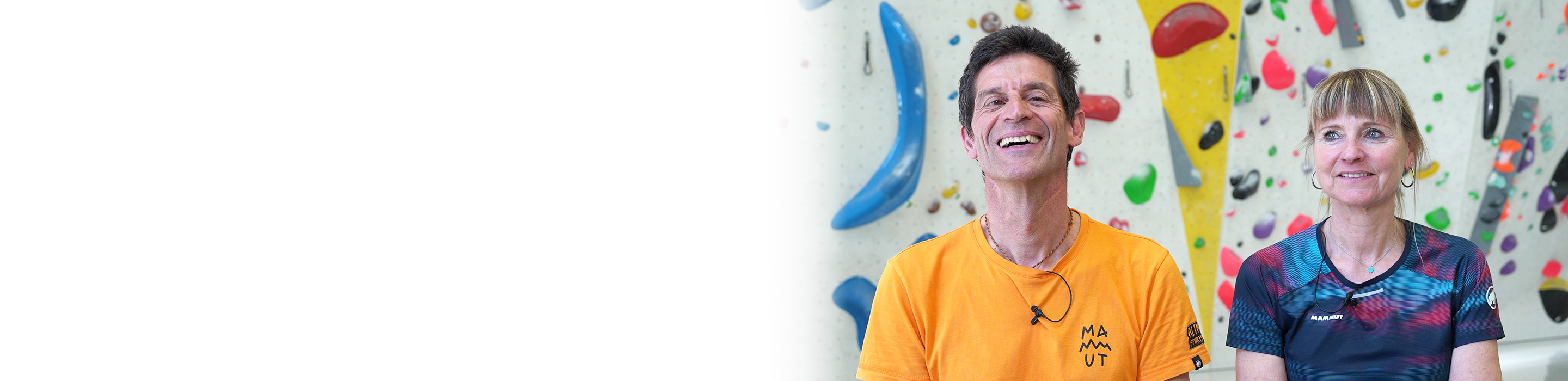
Roland Paillex, at 67, is a Swiss physical therapist who has represented Switzerland as a member of the Swiss Paraclimbing National Team. Roland has never let vision loss define his path, overcoming obstacles through his unwavering passion and perseverance for nature and sport.
Roland first noticed a problem with his vision during his childhood, when he was first diagnosed with myopia. This early diagnosis gradually shaped his perspective on life, but instead of limiting him, it fueled his drive to embrace every challenge. “I think it’s very important to have the life you want to have,” Roland says, a philosophy that has guided him both in his daily life and on the climbing wall.
From the learning to adapt to vision impairment to competing internationally, Roland’s story is not just about athletic achievement, but about redefining our limits, and inspiring others to pursue their dreams without compromise.
Forging His Own Path Forward
At the age of 15, Roland suffered his first retinal detachment. The experience was devastating not only for him, but also for his family. For a teenager who loved sports and the outdoors, the sudden fragility of his eyesight and the possibility of losing his vision was a new reality that Roland had to come to terms with.
Despite these challenges, Roland remained positive, continuing his passions through adulthood. But at the age of 40, he faced an even more life-changing blow: a major retinal detachment that left him blind in one eye. But he approached this challenge with determination: “Living with one eye was not the problem,” he says. “I never let that stop me.” So, Roland continued mountaineering, biking, skiing, and climbing and the mountains and sport remained central to his identity. Losing sight in one eye would not define his life or boundaries.
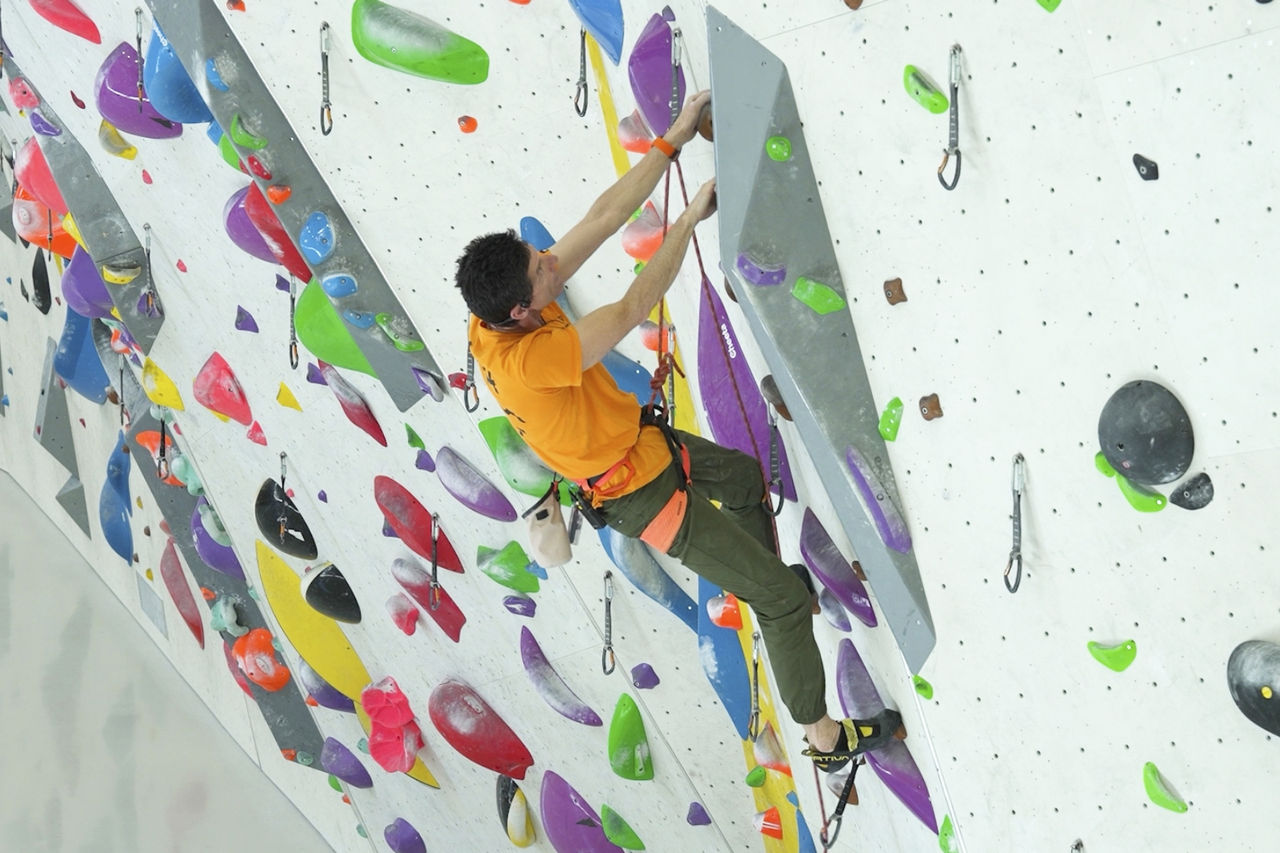
Despite his positive attitude, he would continue to face challenges. Over time, sight in his other eye deteriorated as well. “I used to see mountain ridgelines clearly. Now, I can only see them faintly,” he says.
Today, Roland has lost most of his sight but retains sensitivity to light and can still make out shadows. For him, even the faintest visual perception is profoundly valuable. “For me, even keeping one percent of my sight is important,” he explains. That small measure of light and shadow has allowed him to maintain his connection to the landscapes in which he thrives.
As Roland’s vision deteriorated, he leaned further into his passions. He began competing as a paraclimber, participating in World Cup events across the globe. Against competitors from all over the world, he consistently ranks among the top climbers, proving that ability is not bound by vision impairment. Whether ascending a climbing wall in Switzerland, Italy, or the United States, Roland demonstrates not only physical endurance but also the profound courage to keep pushing forward.
Understanding Your Condition and Addressing It Properly Is Crucial
Roland’s journey is a reminder that people with vision impairments can live their lives to the fullest, but he still emphasizes the importance of understanding your condition and making the effort to discover new approaches to prevention and treatment. Looking back, Roland wishes he and his family had received clearer advice when he was young.
“When I was diagnosed with progressive myopia and later had my first retinal detachment at 15, my parents didn’t know what to do. They didn’t have much knowledge about eye health, retinal detachment, and myopia before my diagnosis, or how it was managed,” Roland says. “The human eye is so complex, it is really important to understand the initial stages of any disease, including myopia. It is also important to talk about it and explain what you can do to slow the progression of myopia.”
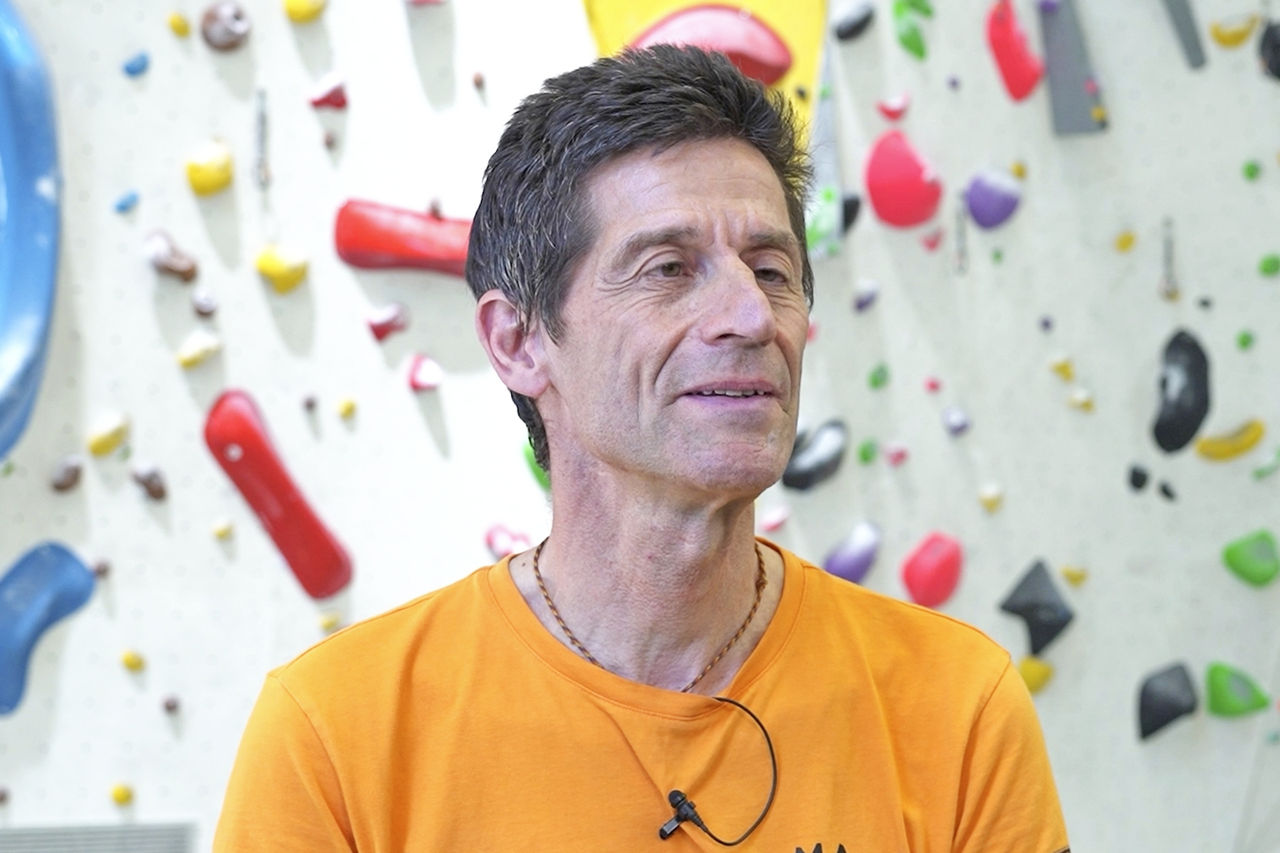
Despite dealing with a range of eye health challenges, Roland has continued to push himself. Reflecting on one of these conditions, myopia, he stresses that prevention begins with knowledge. Families today are fortunate to have more medical research, more options for early intervention, and more awareness than in the past. Myopia management has advanced rapidly in recent decades, offering solutions that were unavailable to previous generations. For families, the key is to stay informed about emerging medical innovations while working closely with eye care professionals to determine the approaches best suited to their child’s needs.
Also, with so much information available online nowadays, Roland stresses the importance of making sure that families turn to reliable sources and stay connected with their trusted medical professionals. “The internet is full of both helpful and misleading information. It is essential that we access reliable information that provides accurate and clear guidance for those facing myopia,” he says. Roland also emphasizes the importance of staying active, and simple habits such as going out into nature help him stay connected to the world around him to better manage his condition.
Increased time spent on close-up tasks and a decrease in outdoor activities are believed to contribute to myopia.*1・2 Developing eye-friendly habits, such as taking breaks from prolonged screen use and prioritizing time outdoors, is essential for maintaining eye health.*2 Research suggests that about two hours of daily outdoor activity may help delay onset and slow myopia progression.*2
Activities such as hiking, camping, cycling, or even simply taking a morning walk through the neighborhood can play a vital role in reducing myopia risk; the critical factor is not the type of activity, but rather the amount of time spent outdoors.*3 Roland’s hope is that fewer children will have to face the same type of challenges he did. “If my story can help even one family act earlier, then it is worth telling,” he says.
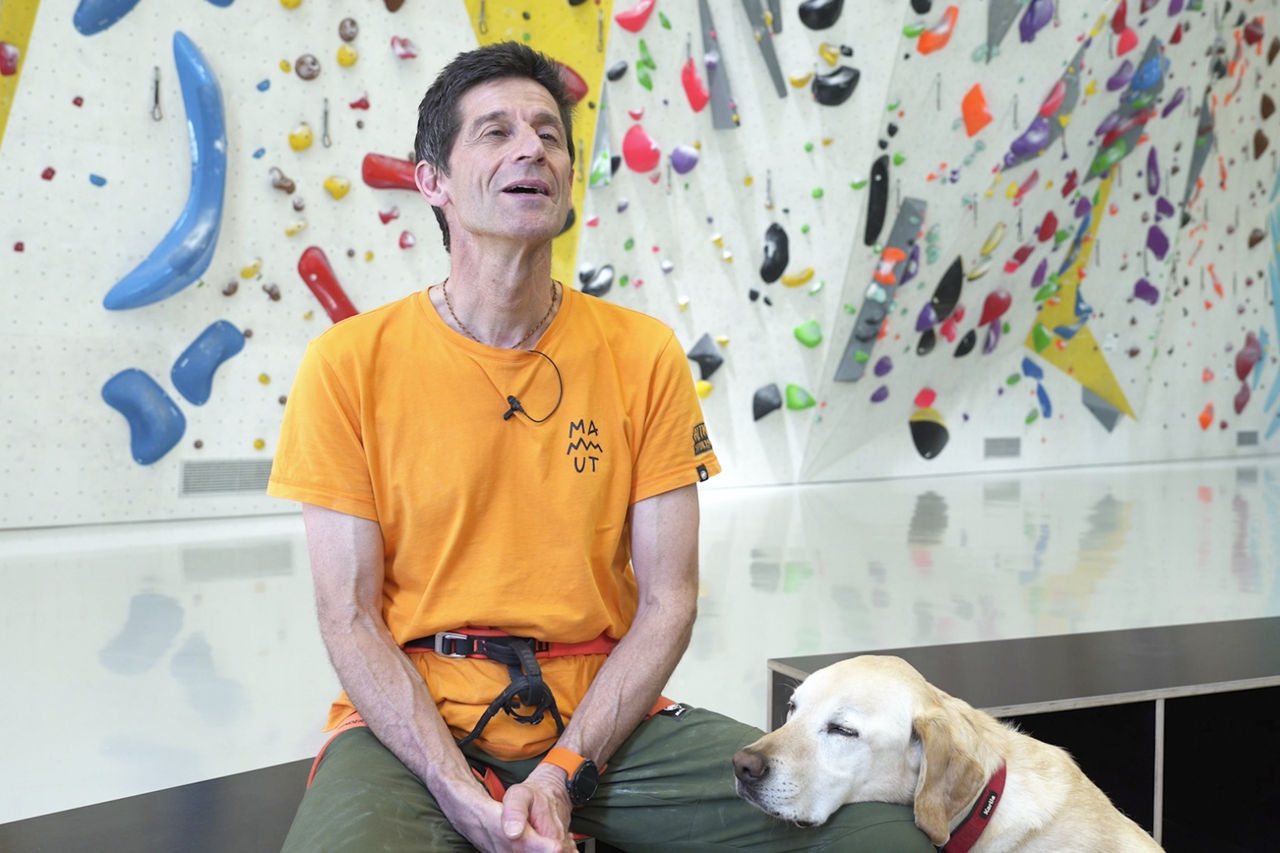
Living Confidently and Embracing Technology to Overcome Vision-Related Complications
A self-confessed “geek,” Roland has embraced technology and other tools that allow him to retain his autonomy and independence.
With the advancement of technology, Roland uses specialized apps and built-in accessibility settings on his smartphone that read text aloud and manage his daily communications. He also utilizes GPS as another tool that helps him explore and maneuver independently, alongside his guide dog that helps him navigate busy streets, stations and unfamiliar environments or obstacles.
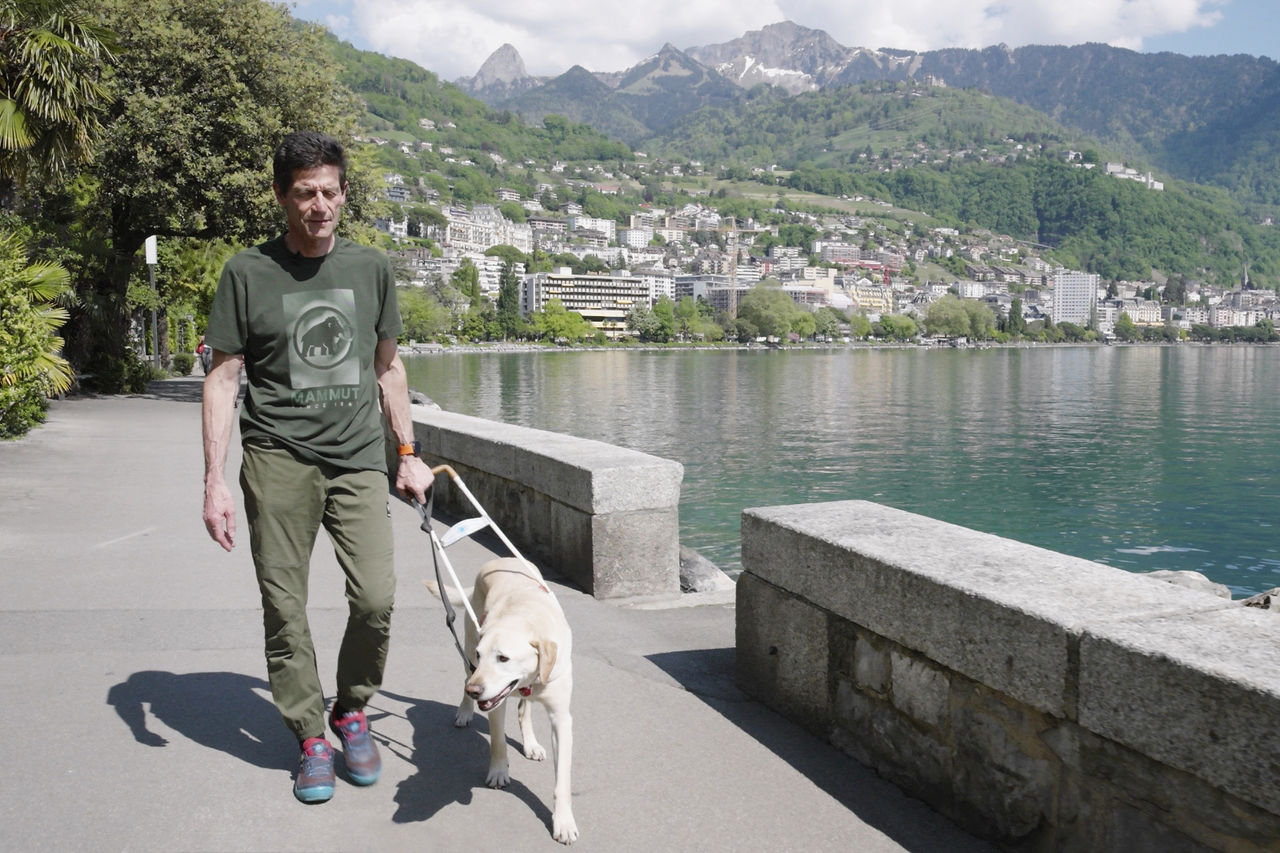
While these advancements have been a great tool for Roland in maintaining his independence, he admits that these come with their own set of limitations. “It can be hard for me to read screens or know when the right bus is arriving,” he explains. He hopes that in the future technology will help bring him and others dealing with vision-related issues even more assistance so that they can better navigate the world around them.
Looking Ahead: A Clearer Future for the Next Generation
Roland’s journey shows that challenges, even something as profound as vision loss, do not have to define a person’s potential. Today, we have access to tools, research, and treatments that were unavailable in his youth, offering new ways to slow myopia progression and protect children’s vision. By staying informed, working with trusted eye care professionals, and embracing both medical and lifestyle strategies, parents can give their children the best chance to thrive.
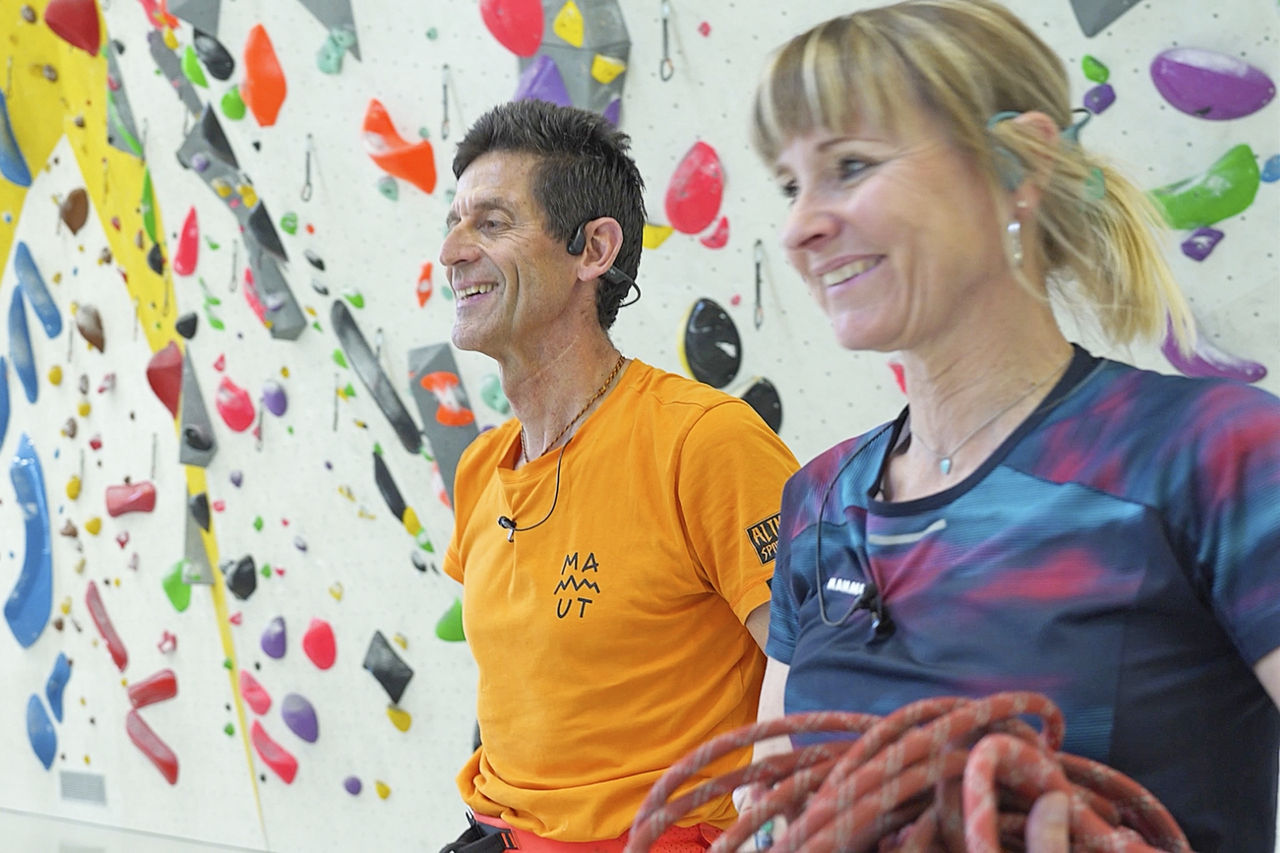
Despite complications with vision having presented many obstacles in his life, Roland has continued to chase his passions and push boundaries, showing us that while vision may provide new challenges, it cannot stop us from pursuing a fulfilling and adventurous life.
- Huang HM, Chang DS & Wu PC. The association between near work activities and myopia in children-A systematic review and meta-analysis. PLoS ONE 2015; 10: e0140419.
- Klaver C, et al. Ophthalmic Physiol Opt. 2020;40:230-240
- Rose KA, Morgan IG, Ip J, Kifley A, Huynh S, Smith W et al. Outdoor activity reduces the prevalence of myopia in children. Ophthalmology. 2008;115:1279–85